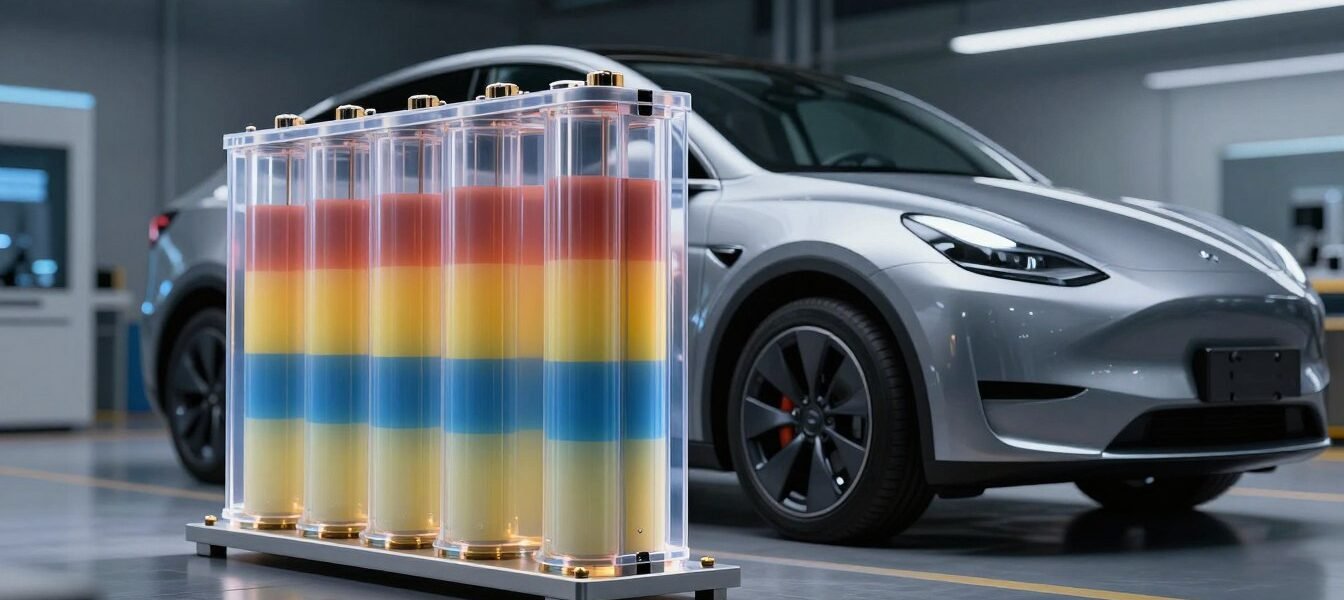
Electric vehicles stand at the threshold of their most significant transformation since widespread adoption began. The automotive industry buzzes with anticipation as solid-state batteries promise to eliminate the major barriers that have held back mass EV adoption. By 2026, this revolutionary battery technology could redefine what consumers expect from electric transportation.
Current lithium-ion batteries have served the industry well. However, they impose limitations that frustrate both manufacturers and drivers. Range anxiety persists despite improvements. Charging times remain inconvenient compared to filling a gas tank. Safety concerns about thermal runaway events continue to make headlines.
Solid-state batteries offer solutions to these persistent challenges. This new technology replaces the liquid electrolyte found in conventional batteries with solid materials. The change seems simple, but the implications transform everything from energy storage capacity to vehicle safety protocols.
Stay Ahead of the EV Revolution
Get monthly updates on solid-state battery breakthroughs, 2026 timeline developments, and exclusive industry insights delivered to your inbox.
Understanding Solid-State Battery Technology
The fundamental difference between solid-state batteries and traditional lithium-ion cells lies in their electrolyte composition. Conventional batteries rely on liquid electrolytes to transport lithium ions between the anode and cathode during charge and discharge cycles. Solid-state batteries replace this liquid with solid electrolyte materials, creating an entirely different operating environment.
How Solid-State Batteries Work
Solid electrolytes conduct lithium ions while maintaining structural integrity under various operating conditions. These materials include ceramics, polymers, and sulfides. Each type offers distinct advantages in terms of conductivity, stability, and manufacturing scalability.
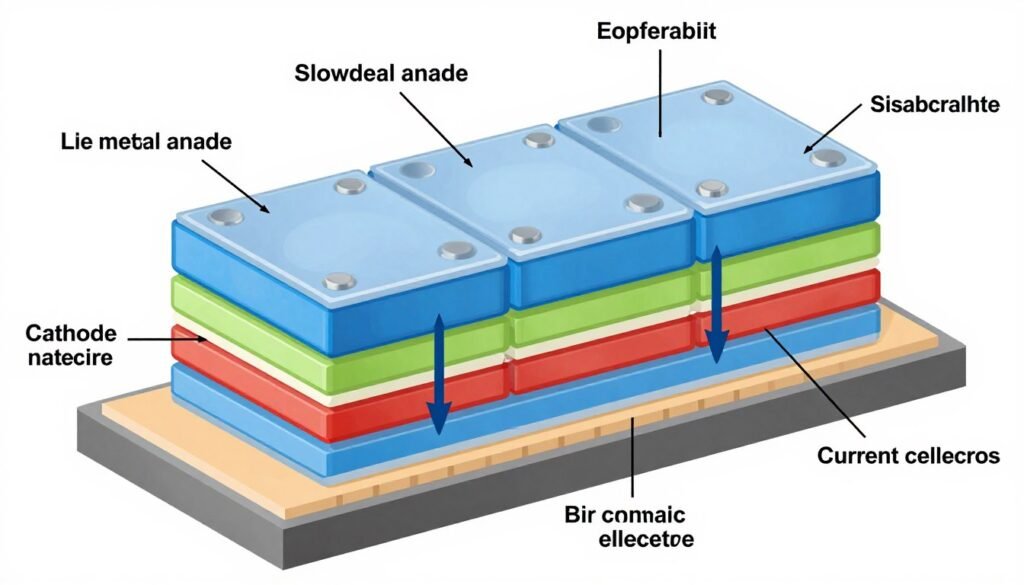
The absence of liquid electrolyte eliminates the need for the separator component found in traditional batteries. This separator prevents short circuits between the anode and cathode in liquid electrolyte systems. Solid electrolytes perform this function inherently, simplifying the overall cell design.
Lithium metal can serve as the anode in solid-state configurations. This represents a significant advancement because lithium metal offers the highest theoretical capacity of any anode material. Current lithium-ion batteries typically use graphite anodes, which store less energy per unit volume.
Key Components and Materials
The solid electrolyte forms the heart of this technology. Researchers have explored numerous materials over decades of development. Ceramic electrolytes demonstrate excellent stability and ionic conductivity at room temperature. Polymer electrolytes offer flexibility and easier processing but sometimes require elevated temperatures for optimal performance.
Cathode Materials
Solid-state batteries utilize similar cathode materials as conventional cells, including nickel-manganese-cobalt (NMC) and lithium iron phosphate (LFP) compositions. However, the solid electrolyte interface requires careful engineering to maintain good contact and minimize resistance.
Anode Innovations
Lithium metal anodes provide exceptional energy density but posed challenges in liquid electrolyte systems due to dendrite formation. Solid electrolytes can suppress dendrite growth, making lithium metal practical for the first time in rechargeable batteries.
Differences from Lithium-Ion Batteries
The architectural changes between solid-state and lithium-ion batteries extend beyond the electrolyte. Manufacturing processes differ substantially. Quality control requirements become more stringent. Material purity standards increase. Each change affects production costs and scalability.
Operating temperature ranges expand with solid electrolytes. Many solid-state designs function effectively in conditions that would compromise liquid electrolyte performance. This resilience opens new applications in extreme environments.
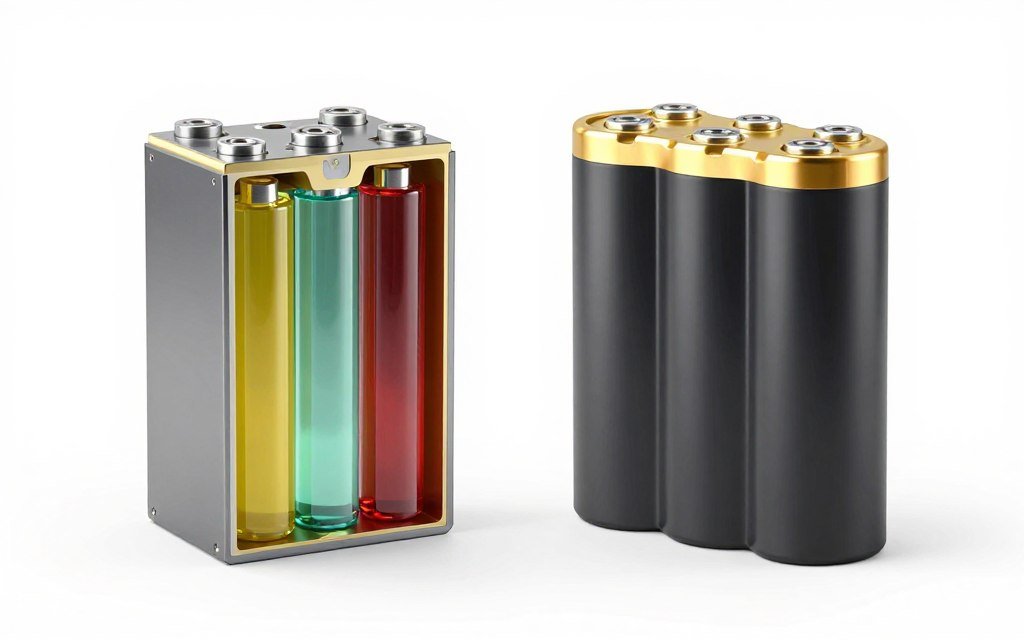
Energy transfer efficiency improves in well-designed solid-state cells. Lower internal resistance reduces heat generation during charging and discharging. This efficiency gain translates directly to extended range in electric vehicles and longer runtime in portable devices.
Revolutionary Advantages of Solid-State Batteries
The transition to solid electrolytes unlocks benefits that address the most pressing limitations of current battery technology. These advantages compound to create a transformative impact on electric vehicle performance and consumer acceptance.
Superior Energy Density
Energy density measures how much power a battery stores relative to its weight or volume. Solid-state batteries achieve significantly higher energy density than lithium-ion cells. This improvement stems from multiple factors working in concert.
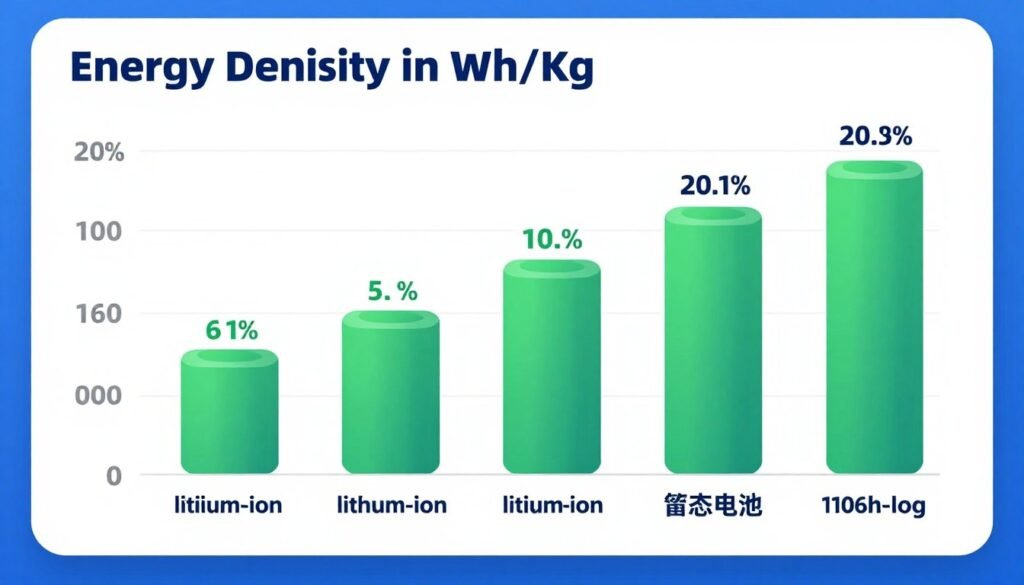
Lithium metal anodes pack more energy into less space than graphite alternatives. The elimination of liquid electrolyte and separator materials reduces inactive components. Cell-level design becomes more compact without sacrificing safety margins.
Current lithium-ion batteries typically achieve 250-300 Wh/kg at the cell level. Advanced solid-state designs target 400-500 Wh/kg in near-term production. Laboratory prototypes have demonstrated even higher values, suggesting continued improvement potential.
For electric vehicles, this density advantage translates directly to extended range. A vehicle equipped with solid-state batteries could travel 500-600 miles on a single charge using a battery pack similar in size to current 300-mile systems. Alternatively, manufacturers could maintain current range while reducing vehicle weight and cost.
Faster Charging Capabilities
Charging speed represents one of the most significant barriers to EV adoption. Solid-state technology promises dramatic improvements in this area. The solid electrolyte structure enables higher charging currents without the safety risks associated with liquid electrolyte systems.
Lithium plating on the anode surface limits charging speed in conventional batteries. This phenomenon becomes more severe at high currents and low temperatures. Solid electrolytes resist dendrite formation and can handle more aggressive charging profiles.
Charging Advantages
- 10-minute charge to 80% capacity achievable
- Reduced degradation from fast charging
- Better performance in cold weather
- Higher power acceptance rates
- Minimal battery management complexity
Infrastructure Requirements
- Ultra-fast chargers need substantial power delivery
- Grid capacity upgrades necessary
- Cooling systems for charging stations
- Standardization of new charging protocols
Several manufacturers target charging times comparable to refueling a gasoline vehicle. Toyota has stated goals of achieving 80% charge in 10 minutes or less with their solid-state designs. This capability would effectively eliminate the convenience gap between electric and combustion vehicles.
Enhanced Safety Profile
Battery safety concerns have dampened enthusiasm for electric vehicles among some consumers. High-profile thermal runaway incidents, though statistically rare, receive significant media attention. Solid-state batteries fundamentally address these safety concerns through their material composition.
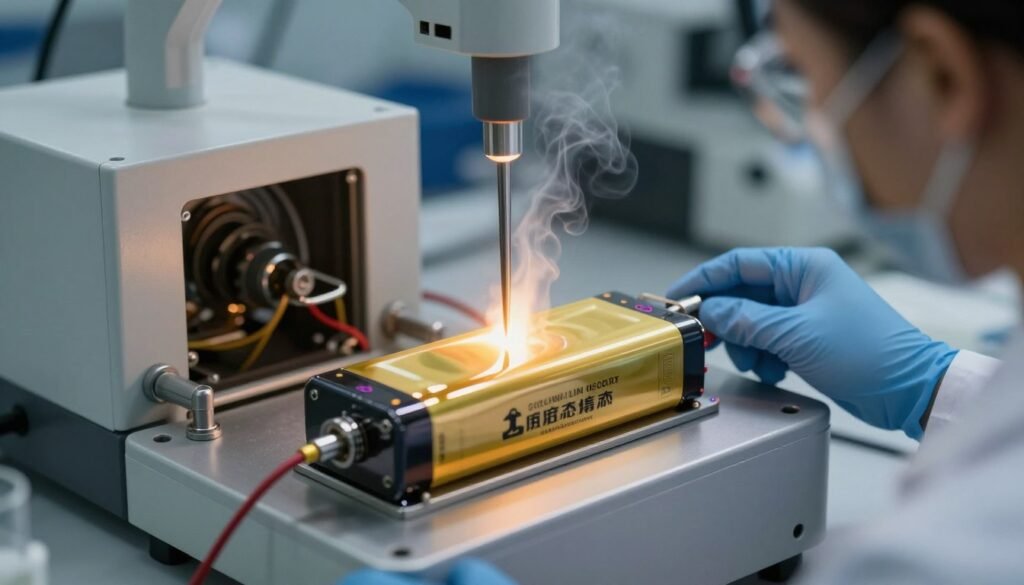
Liquid electrolytes in conventional batteries contain flammable organic solvents. These materials can ignite under certain fault conditions, creating fire hazards. Solid electrolytes eliminate this risk by using non-flammable materials. Ceramic and certain polymer electrolytes remain stable even when exposed to high temperatures or physical damage.
The risk of thermal runaway decreases substantially. This chain reaction occurs when internal heat generation exceeds dissipation capacity, leading to rapidly escalating temperatures. Solid-state designs resist this failure mode due to their thermal stability and lack of flammable components.
Operating temperature ranges expand safely. Many solid electrolytes maintain stability from -20°C to 80°C or beyond. This performance enables vehicles to function reliably in extreme climates without complex thermal management systems.
Extended Lifespan and Durability
Battery degradation over time affects both performance and economics. Solid-state batteries demonstrate superior cycle life compared to conventional lithium-ion cells. The solid electrolyte interface remains more stable through repeated charge-discharge cycles.
Side reactions that degrade liquid electrolyte batteries occur less frequently in solid-state systems. The formation of solid-electrolyte interphase (SEI) layers stabilizes more quickly. Capacity fade rates decrease substantially, extending useful battery life.
| Battery Type | Cycle Life | Capacity Retention (5 Years) | Operating Temperature Range |
| Standard Lithium-Ion | 1,000-1,500 cycles | 70-80% | 0°C to 45°C |
| Advanced Lithium-Ion | 2,000-3,000 cycles | 80-85% | -10°C to 50°C |
| Solid-State (Projected) | 5,000+ cycles | 90-95% | -20°C to 80°C |
Commercial viability improves with longer lifespan. Fleet operators calculate total cost of ownership over the vehicle’s lifetime. Batteries that maintain capacity for 10-15 years reduce replacement costs significantly. This economic advantage becomes particularly important for commercial vehicles with high utilization rates.
Get the Complete Technical Guide
Download our comprehensive PDF with detailed specifications, performance comparisons, and manufacturer roadmaps for solid-state battery technology.
Current Developments and Major Industry Players
The race to commercialize solid-state batteries has intensified dramatically. Automotive manufacturers, battery producers, and technology companies have committed billions of dollars to development programs. The 2026 timeline represents the convergence of multiple parallel efforts reaching production readiness.
Toyota’s Ambitious Timeline
Toyota has emerged as the most aggressive major automaker in solid-state battery development. The company announced plans to begin limited production of solid-state battery vehicles by 2025, with broader commercialization by 2026. Toyota’s extensive patent portfolio demonstrates sustained research investment spanning decades.
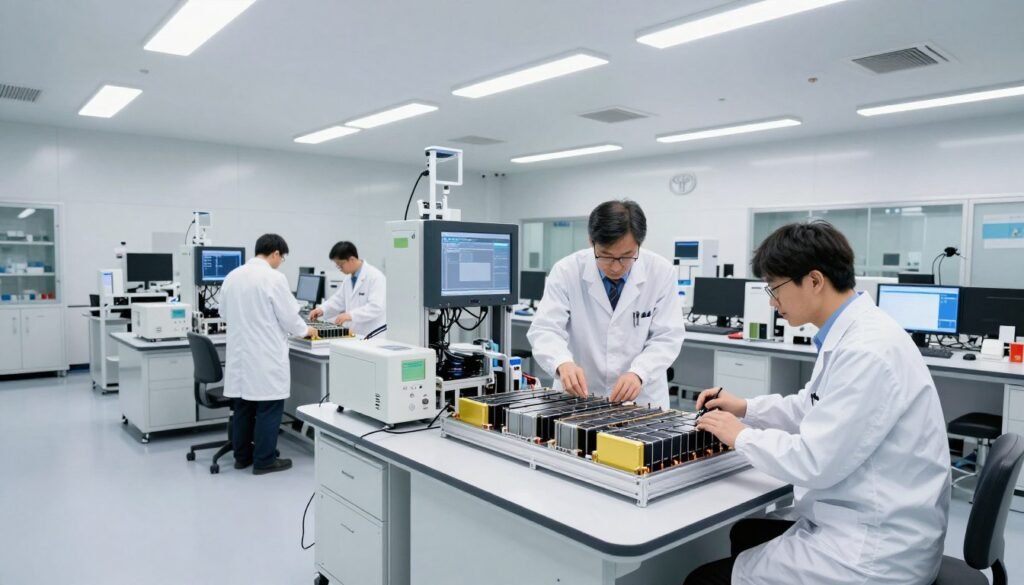
The Japanese automaker targets vehicles with 1,200 km (745 miles) of range and 10-minute charging times. These specifications would represent a quantum leap over current EV capabilities. Toyota’s hybrid vehicle expertise provides valuable experience in battery integration and thermal management.
Production volumes remain modest initially. Toyota plans to produce several thousand solid-state battery vehicles annually starting in 2026. This cautious approach allows refinement of manufacturing processes before mass-market deployment.
QuantumScape and Volkswagen Partnership
QuantumScape, a California-based battery startup, has partnered with Volkswagen to commercialize ceramic electrolyte technology. The company’s single-crystal cathode design addresses interface stability challenges that have hindered previous solid-state attempts.
Test results from QuantumScape demonstrated over 800 charge cycles with minimal degradation. The batteries maintained 80% capacity after extensive testing at automotive-relevant conditions. These results validated the commercial potential of their approach.
QuantumScape Technology Highlights
- Ceramic separator enables lithium metal anode
- Single-layer cells demonstrate 400+ Wh/kg
- 15-minute fast charging capability
- Wide temperature operating range
- Flexible form factor options
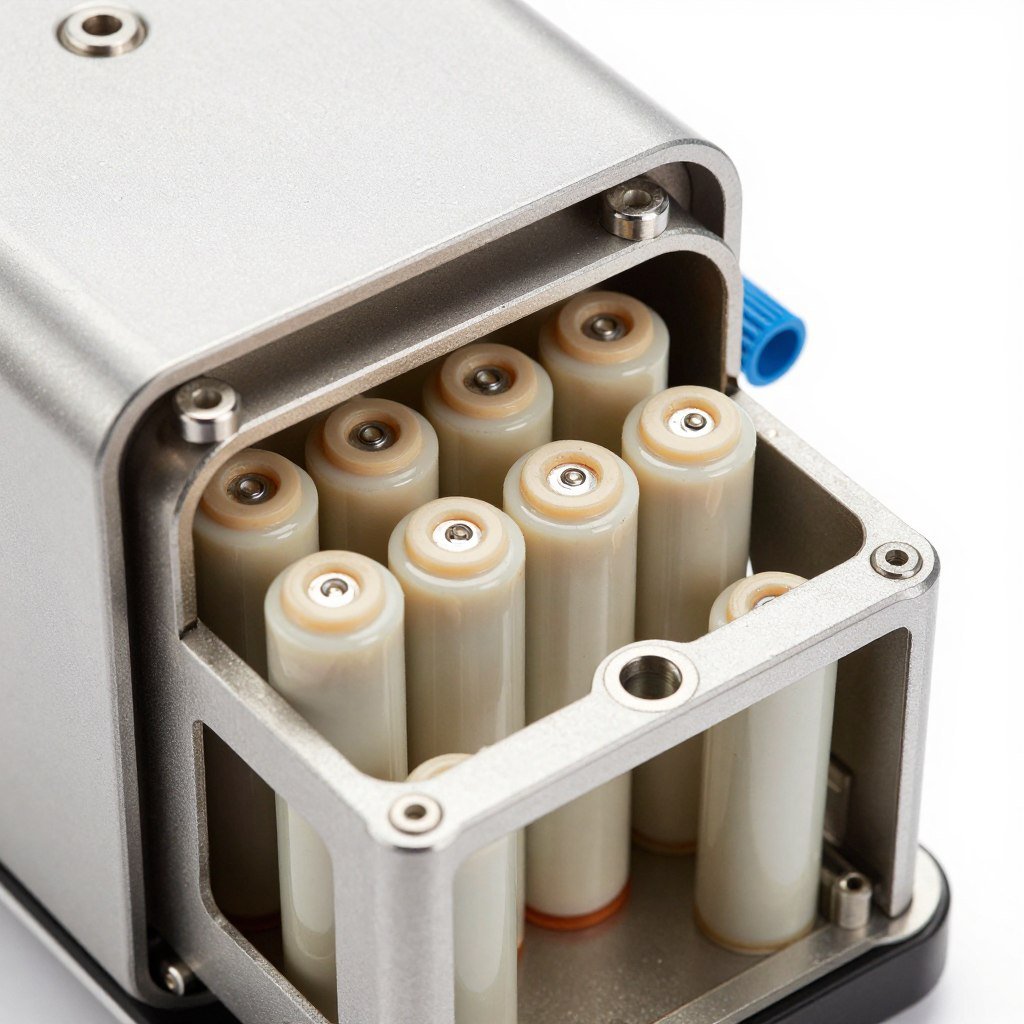
Volkswagen has invested over $300 million in QuantumScape and maintains exclusive automotive rights in certain market segments. The partnership aims to begin production of solid-state battery vehicles by 2025, with volume production ramping through 2026 and beyond.
Samsung and Solid Power Initiatives
Samsung has developed sulfide-based solid electrolyte batteries with impressive performance characteristics. The company demonstrated a prototype with 900 Wh/L energy density and a 500-mile range in a single charge. Samsung targets automotive applications as a primary market.
Solid Power, backed by Ford and BMW, focuses on sulfide solid electrolyte technology. Their approach emphasizes manufacturing compatibility with existing lithium-ion production equipment. This strategy could accelerate adoption by reducing capital investment requirements.
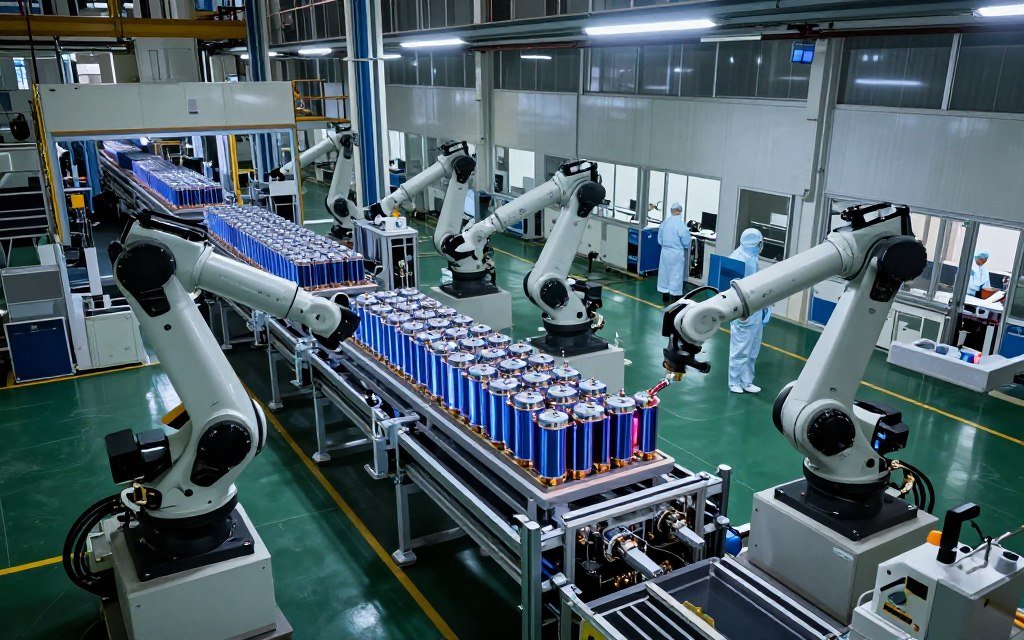
Solid Power delivered full-scale battery cells to automotive partners for testing in 2022. The company plans to license its technology to battery manufacturers rather than building production capacity independently. This business model could enable faster industry-wide adoption.
Chinese Manufacturers Accelerating Development
Chinese battery manufacturers have made substantial investments in solid-state technology. CATL, the world’s largest battery producer, aims to achieve small-scale production by 2025. The company’s approach combines oxide and sulfide electrolytes to balance performance and manufacturability.
NIO, a Chinese EV manufacturer, demonstrated a semi-solid-state battery in production vehicles. While not purely solid-state, these hybrid designs represent an intermediate step toward full solid-state adoption. NIO’s batteries achieve 360 Wh/kg energy density and enable vehicles with over 600 miles of range.
CATL Timeline
Limited production of hybrid solid-state cells began in 2023. Full solid-state development targets 2027 for automotive applications. Focus areas include cost reduction and manufacturing scalability.
BYD Strategy
BYD pursues polymer electrolyte technology for initial applications. The company leverages vertical integration to control the entire supply chain. Commercial deployment expected by 2025-2026.
WeLion Approach
WeLion specializes in oxide electrolyte technology. The startup has produced small-scale batteries for consumer electronics. Automotive partnerships announced for 2025 production targets.
American and European Efforts
Blue Solutions, a subsidiary of the Bolloré Group, has produced polymer-based solid-state batteries since 2011. Their batteries power electric buses in several cities worldwide. The company continues development of higher-performance variants for passenger vehicles.
European consortiums have formed to compete with Asian manufacturers. The EU has designated battery technology as strategic and provides substantial research funding. Multiple projects aim to establish European solid-state battery production capacity by 2026.
Planning Your Fleet Transition to Solid-State EVs?
Our team provides expert consultation for businesses preparing to adopt solid-state electric vehicles. Get personalized guidance on timeline planning, infrastructure requirements, and cost analysis.
The Path to 2026: Timeline and Expectations
The convergence of multiple factors makes 2026 a pivotal year for solid-state battery adoption. Manufacturing capabilities will mature. Production costs will decline to competitive levels. Regulatory frameworks will adapt to new safety profiles. Consumer awareness will reach critical mass.
Phased Introduction Strategy
Mass adoption will not happen overnight. Manufacturers plan deliberate introduction phases that balance ambition with practical constraints. Initial vehicles will likely command premium prices and target early adopters willing to pay for cutting-edge technology.
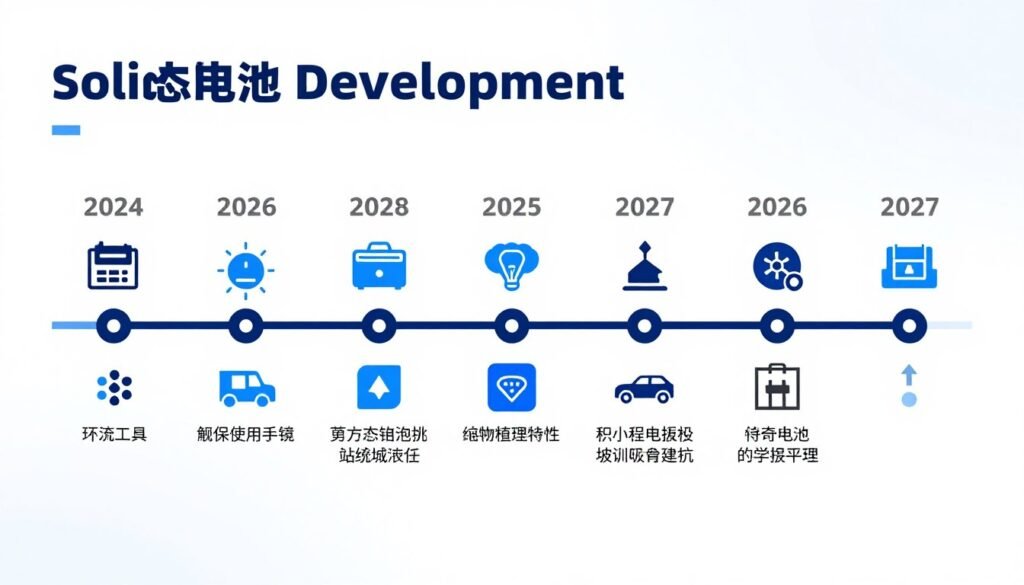
The 2025-2026 timeframe will see limited production runs. Toyota, Volkswagen, and several Chinese manufacturers plan to produce thousands rather than millions of vehicles. These initial deployments serve multiple purposes beyond revenue generation.
Real-world data collection becomes crucial. Manufacturers need to validate performance in diverse operating conditions. Extreme temperatures, various driving patterns, and different charging behaviors all impact battery longevity. This learning period informs subsequent design iterations.
Production Scaling Challenges
Building batteries at automotive scale differs dramatically from laboratory prototypes. Production yields must reach high percentages to achieve acceptable costs. Quality control systems must detect defects that could compromise safety or performance. Supply chains must deliver materials in unprecedented volumes.
- Laboratory validation complete
- Pilot production facilities operational
- Initial vehicle prototypes tested
- Supply chain partnerships established
- Manufacturing processes refined
- Regulatory approvals obtained
2024-2025 Phase
- Limited commercial production begins
- Premium vehicles first to market
- Thousands of units produced annually
- Real-world performance data collected
- Second-generation designs initiated
- Cost reduction programs active
2026 Phase
- Volume production ramping significantly
- Mid-range vehicles incorporate technology
- Hundreds of thousands of units annually
- Costs approaching parity with lithium-ion
- Multiple manufacturers competing
- Infrastructure widely deployed
2027-2028 Phase
Manufacturing equipment requires substantial capital investment. A single production line for solid-state batteries can cost hundreds of millions of dollars. Companies must balance the financial risk of early investment against the competitive advantage of market leadership.
Cost Trajectory and Price Parity
Current solid-state battery production costs exceed lithium-ion significantly. Estimates suggest 2-3x higher costs per kWh for initial production. However, this premium will decline rapidly as manufacturing scales and processes mature.
Material costs represent a substantial portion of total battery expense. Solid electrolytes require high-purity materials and precise processing. Economies of scale will reduce these costs, but the timeline depends on production volumes achieved.
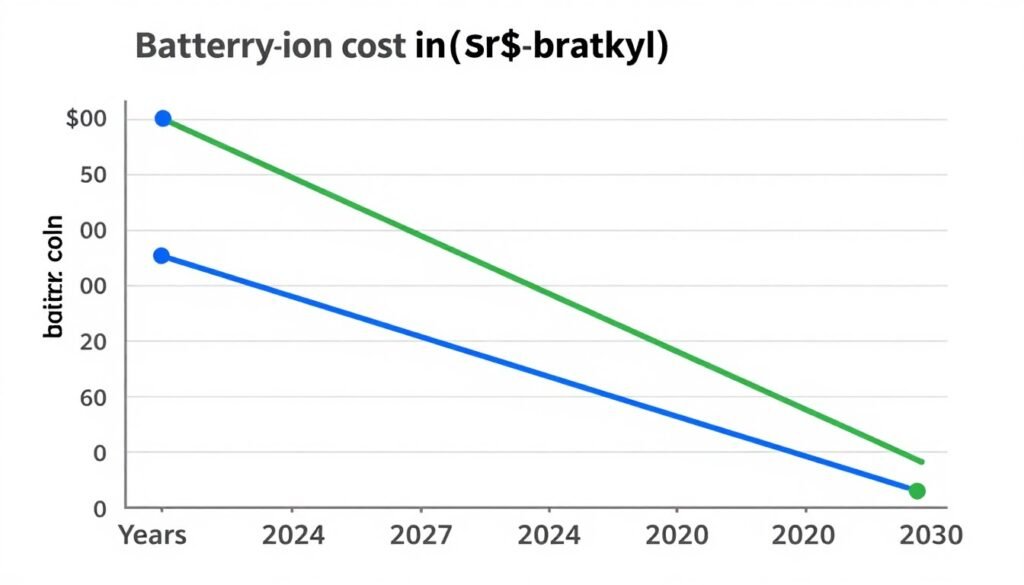
Industry analysts project cost parity with advanced lithium-ion batteries between 2027 and 2029. This timeline assumes successful scaling of current technologies. Breakthrough developments in materials or manufacturing could accelerate the trajectory.
Premium pricing in early years limits market segments. Luxury and performance vehicles will adopt solid-state batteries first. These applications can absorb higher costs while benefiting from superior performance characteristics. Mass-market adoption follows as costs decline.
Consumer Adoption Dynamics
The 2026 introduction coincides with increasing EV market maturity. Consumers have become more familiar with electric vehicles. Charging infrastructure continues expanding. Government incentives remain available in many markets.
Early adopters will drive initial demand. Technology enthusiasts, environmental advocates, and luxury car buyers represent this segment. Their willingness to pay premium prices supports initial production volumes and accelerates cost reduction.
Mainstream adoption requires demonstrable advantages that justify any price premium. Extended range eliminates practical concerns about daily driving. Fast charging removes convenience barriers. Enhanced safety provides peace of mind. These factors combine to create compelling value propositions.
Challenges and Barriers to Widespread Implementation
Despite impressive progress, significant obstacles remain before solid-state batteries achieve mass-market dominance. Technical challenges, manufacturing limitations, and economic barriers must all be overcome. Understanding these hurdles provides realistic context for adoption timelines.
Interface Stability and Contact Resistance
The junction between solid electrolyte and electrode materials creates engineering challenges. Maintaining intimate contact across this interface proves difficult. Solid materials expand and contract with temperature changes. Mechanical stress during operation can compromise contact quality.
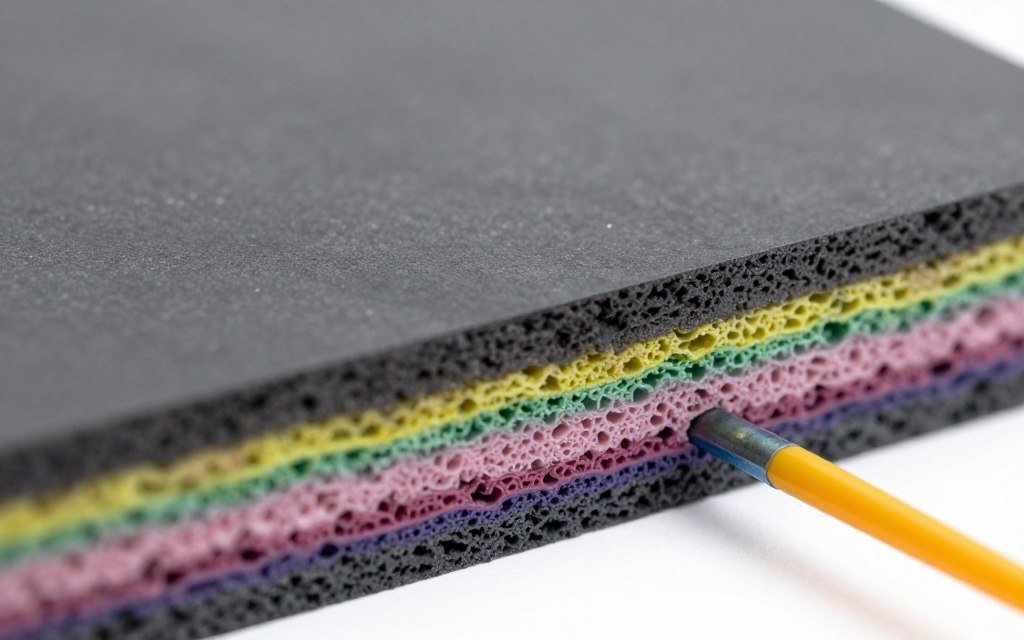
Contact resistance increases when interface quality degrades. This resistance generates heat and reduces efficiency. Performance suffers as internal resistance rises. Maintaining stable interfaces through thousands of charge cycles requires sophisticated material engineering.
Different thermal expansion coefficients between materials cause stress. The cathode, electrolyte, and anode each respond differently to temperature changes. This mismatch creates mechanical strain that can lead to delamination or crack formation.
Researchers address these challenges through multiple approaches. Compliant interlayer materials can accommodate expansion differences. Surface treatments improve adhesion. Novel electrode architectures distribute stress more evenly. Each solution adds complexity to manufacturing processes.
Manufacturing Scalability Issues
Current production methods for solid-state batteries work well at small scale. Translating laboratory techniques to high-volume manufacturing presents numerous challenges. Each step in the process must achieve high yield rates to maintain economic viability.
Critical Manufacturing Challenges
Moisture sensitivity of many solid electrolyte materials requires costly dry-room environments. Uniform layer deposition at scale demands precise equipment control. Quality inspection techniques must identify defects without damaging cells. These requirements substantially increase production complexity.
Capital intensity exceeds conventional battery manufacturing. Specialized equipment for solid electrolyte processing adds significant cost. Clean room requirements expand facility expenses. Initial investment barriers slow capacity expansion.
Processing temperatures for some solid electrolytes create compatibility issues. High sintering temperatures can damage organic electrode materials. Lower-temperature alternatives often sacrifice performance. Finding the optimal balance requires extensive development work.
Material Supply Chain Constraints
Solid-state batteries require materials not currently produced at automotive scale. Rare earth elements appear in some electrolyte formulations. High-purity lithium metal for anodes demands specialized refining. Supply chains must expand dramatically to support mass production.
Critical Raw Materials
- High-purity lithium metal for anodes
- Lanthanum for ceramic electrolytes
- Sulfur compounds for sulfide electrolytes
- Specialized polymers for polymer electrolytes
- Advanced cathode materials (NMC, NCA)
Supply Chain Development Needs
- New mining operations for specific elements
- Refinement capacity for battery-grade purity
- Transportation and storage infrastructure
- Quality certification processes
- Recycling systems for end-of-life batteries
Geographic concentration of certain materials creates vulnerability. Lithium production concentrates in Australia, Chile, and China. Rare earth processing occurs predominantly in China. Diversifying supply sources takes years of development time.
Environmental considerations affect mining expansion. Lithium extraction uses substantial water resources in arid regions. Processing generates waste streams requiring proper management. Sustainable sourcing adds cost but becomes increasingly important to consumers and regulators.
Performance in Extreme Conditions
While solid-state batteries generally perform better than lithium-ion in temperature extremes, challenges remain. Some solid electrolytes show reduced ionic conductivity at very low temperatures. Others require minimum operating temperatures above freezing.
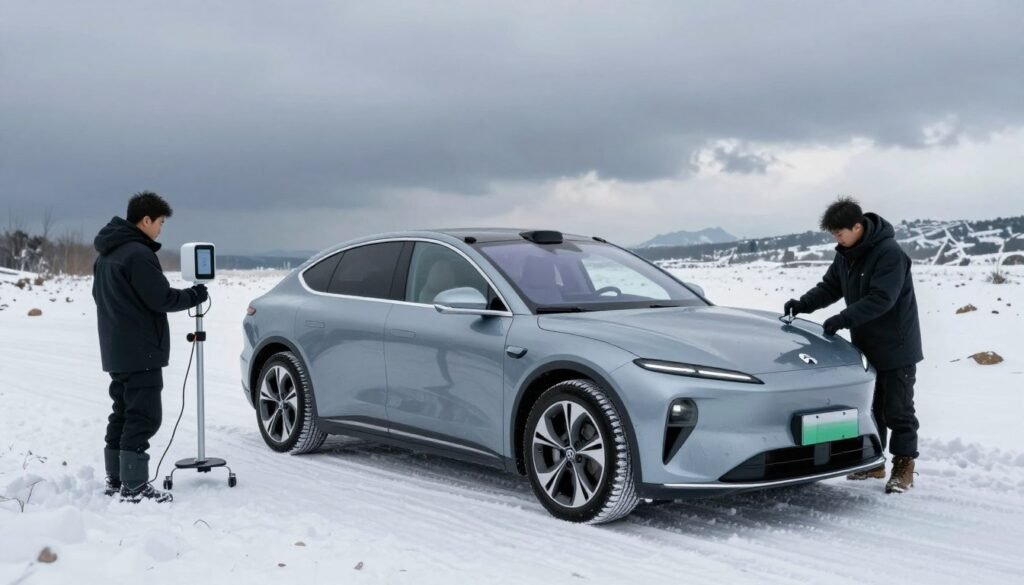
Polymer electrolytes particularly struggle in cold climates. Ionic mobility decreases as temperatures drop. Some designs require active heating systems to maintain performance. This heating consumes energy and adds complexity to thermal management systems.
High-temperature stability varies by electrolyte type. Sulfide electrolytes can decompose at elevated temperatures. Ceramic electrolytes generally show better thermal stability but introduce other trade-offs. Material selection must account for expected operating conditions.
Regulatory and Safety Certification
New battery technology requires extensive safety testing and certification. Regulatory bodies must develop appropriate testing protocols for solid-state designs. Current standards were written for liquid electrolyte systems and may not address solid-state failure modes.
Crash testing protocols need revision. The absence of flammable liquid electrolyte changes risk profiles. However, mechanical damage to solid electrolytes can create short circuits or other failure modes. Comprehensive testing ensures safety under all foreseeable conditions.
What happens if a solid-state battery is punctured?
Solid-state batteries generally show better tolerance to physical damage than liquid electrolyte cells. The non-flammable solid electrolyte eliminates fire risk. However, puncture can cause electrical shorts and rapid discharge. Proper cell design and pack-level protection systems mitigate these risks.
How do solid-state batteries perform in crashes?
Crash safety depends on pack design and structural protection. The battery cells themselves resist thermal runaway better than conventional designs. Structural integrity of the pack and electrical isolation systems remain critical. Testing protocols verify safety across various impact scenarios.
International standards must harmonize to enable global vehicle sales. Different regulatory approaches in various markets could fragment production and increase costs. Industry groups work with regulators to develop consistent frameworks.
Get Expert Analysis Delivered Weekly
Subscribe to our expert insights newsletter featuring curated analysis from battery technology researchers and automotive industry specialists. Stay informed about the latest developments, challenges, and breakthroughs.
Impact on the Electric Vehicle Market and Consumer Adoption
Solid-state batteries will transform the electric vehicle landscape in ways that extend beyond technical specifications. Market dynamics, competitive positioning, and consumer behavior all shift as this new technology reaches production scale. The 2026-2030 period will see fundamental changes in how vehicles are designed, marketed, and purchased.
Eliminating Range Anxiety
Range anxiety has consistently ranked among the top barriers to EV adoption in consumer surveys. Current electric vehicles offer 250-350 miles of range in typical configurations. This distance suffices for daily driving but creates concerns about long trips and charging infrastructure availability.
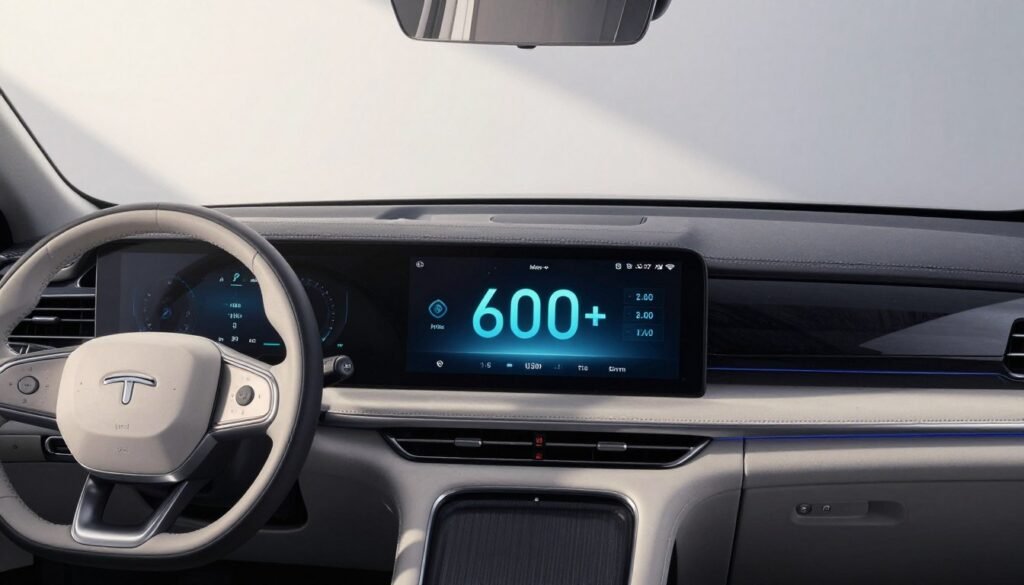
Solid-state batteries will deliver 500-700 mile ranges in production vehicles. This capability eliminates range as a practical concern for the vast majority of drivers. Weekly charging becomes feasible for many use cases. Long-distance travel becomes convenient with strategically placed fast chargers.
The psychological impact exceeds the practical benefit. Knowing that extended range exists provides peace of mind even if rarely used. This psychological shift removes a major adoption barrier and expands the addressable market significantly.
Redefining Vehicle Segments
Current battery limitations influence vehicle design substantially. Large battery packs add weight and consume interior space. Floor-mounted configurations raise vehicle ride height. Solid-state technology’s superior energy density changes these constraints.
Compact vehicles become more viable as EVs. Current small cars struggle to accommodate sufficient battery capacity while maintaining interior space. Higher energy density allows adequate range in smaller, lighter packages. This opens new market segments for electrification.
Compact Sedans
Solid-state batteries enable 400+ mile range in vehicles the size of Honda Civic or Toyota Corolla. These affordable segments represent high-volume opportunities currently underserved by EVs.
Sports Cars
Weight reduction through smaller battery packs improves performance vehicle dynamics. Combined with fast charging, solid-state technology suits track-capable vehicles that previously struggled with thermal management.
Commercial Vans
Delivery vehicles and work trucks gain all-day range with fast mid-day charging. This capability supports fleet electrification for last-mile delivery and service industries.
Performance vehicles gain advantages beyond range. Reduced weight improves handling and acceleration. Better thermal characteristics support sustained high-power operation. These benefits appeal to driving enthusiasts who previously dismissed EVs as compromised.
Charging Infrastructure Evolution
Fast-charging capability transforms infrastructure requirements. Current DC fast chargers deliver 150-350 kW. Solid-state batteries can accept higher power levels, potentially exceeding 500 kW. This power delivery enables truly rapid charging comparable to gasoline refueling.
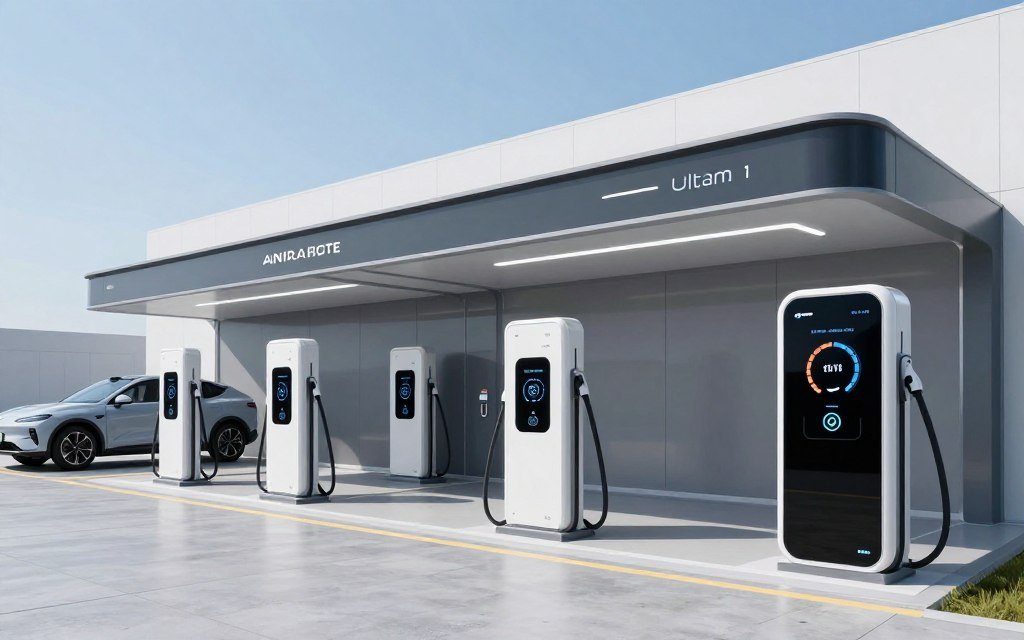
Infrastructure investment accelerates as faster charging becomes viable. Retailers, restaurants, and rest stops find short-duration charging attractive. Customers can fully charge during a typical visit rather than requiring extended stays. This convenience opens new business models for charging providers.
Grid impacts require careful management. Multiple 500 kW chargers operating simultaneously demand substantial electrical capacity. Utilities must plan distribution upgrades. Energy storage systems at charging sites can buffer peak demand and reduce infrastructure costs.
Total Cost of Ownership Transformation
Purchase price represents only one component of vehicle ownership costs. Fuel, maintenance, insurance, and residual value all factor into economic decisions. Solid-state batteries improve the total cost equation across multiple dimensions.
| Cost Factor | Current Lithium-Ion EV | Solid-State EV (2026) | Conventional ICE Vehicle |
| Initial Purchase Price | $45,000 | $52,000 | $35,000 |
| Annual Fuel/Energy Cost | $600 | $550 | $2,000 |
| Maintenance (5 Years) | $2,500 | $2,200 | $5,500 |
| Battery Replacement | $8,000 (year 8-10) | Unlikely within 15 years | N/A |
| Resale Value (5 Years) | $22,000 | $28,000 | $15,000 |
Extended battery lifespan dramatically improves long-term economics. Vehicles maintain value better when batteries retain capacity over time. Reduced replacement costs eliminate a major economic concern for long-term ownership.
Fleet operators particularly benefit from improved economics. Commercial vehicles accumulate high annual mileage. Longer battery life and reduced maintenance translate directly to lower operating costs. Fast charging minimizes vehicle downtime, improving asset utilization.
Competitive Dynamics Among Manufacturers
First-mover advantages in solid-state technology will reshape competitive positioning. Manufacturers that successfully bring products to market by 2026 gain prestige and market share. Technology leadership becomes a marketing differentiator.
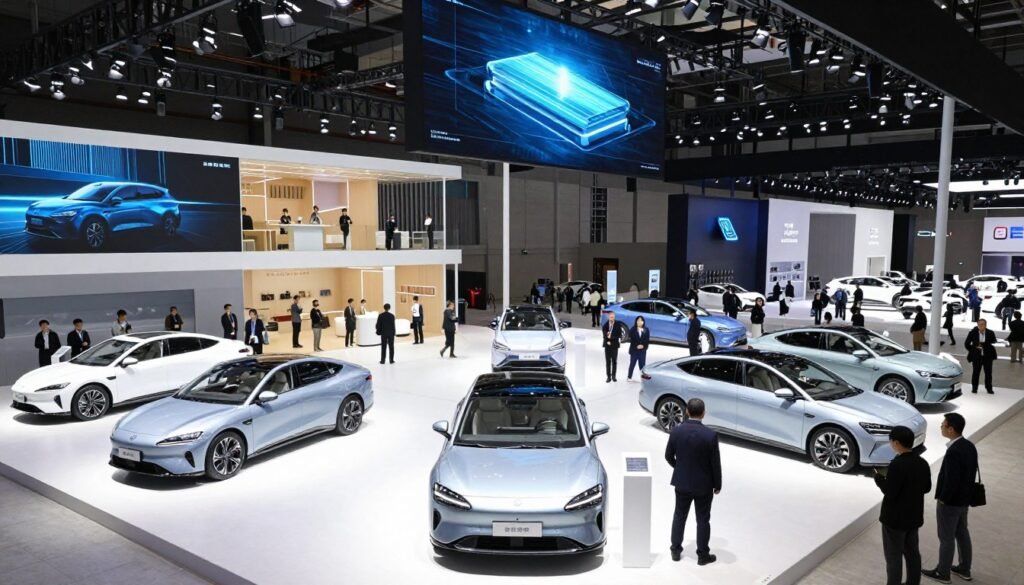
Traditional automotive hierarchies may shift. Companies like Toyota, with substantial battery technology investment, could gain advantages over competitors lacking advanced battery capabilities. New entrants with strong technology partnerships might challenge established players.
Chinese manufacturers pose particular competitive threats. Substantial government support for battery technology development positions Chinese companies advantageously. Domestic market size provides volume to drive down costs. Export ambitions extend this advantage globally.
Consumer Perception and Market Segmentation
Early solid-state vehicles will command premium prices. This premium creates distinct market segments. Luxury buyers willing to pay for latest technology comprise the initial target. Mainstream adoption follows as costs decline and production scales.
Technology enthusiasts represent another early segment. These consumers value innovation and accept higher costs for cutting-edge capability. Their purchases and reviews influence broader market perceptions.
Environmental consciousness drives adoption for a significant consumer segment. Solid-state batteries’ improved sustainability profile appeals to environmentally motivated buyers. Enhanced recyclability and longer lifespan reduce environmental impact compared to conventional batteries.
Recent Breakthroughs and Technological Advances
The pace of solid-state battery innovation has accelerated dramatically in recent years. Laboratories and companies worldwide report breakthroughs that address long-standing challenges. These advances collectively enable the 2026 commercialization timeline.
Sulfide Electrolyte Developments
Sulfide-based solid electrolytes have achieved ionic conductivity approaching that of liquid electrolytes. Recent formulations demonstrate conductivity exceeding 10 mS/cm at room temperature. This performance level enables practical charge and discharge rates for automotive applications.

Stability improvements have addressed early concerns about sulfide reactivity. Protective coatings prevent decomposition during cell assembly and operation. Modified compositions reduce sensitivity to moisture while maintaining high conductivity. These refinements make sulfide electrolytes practical for large-scale manufacturing.
Samsung’s recent announcement of sulfide-based cells with 900 Wh/L energy density demonstrates practical achievement. The company tested cells through 1,000 cycles with minimal degradation. These results validate the technology for commercial deployment.
Thin-Film Manufacturing Advances
Thin-film deposition techniques enable precise control of solid electrolyte layers. Atomic layer deposition and physical vapor deposition create uniform films at nanometer scale. This precision ensures consistent performance and minimizes defects.
Roll-to-roll manufacturing processes adapt traditional battery production methods to solid-state configurations. These continuous processes promise higher throughput and lower costs than batch methods. Several companies have demonstrated pilot-scale production using roll-to-roll techniques.
Manufacturing Process Innovations
Dry coating methods eliminate solvent processing steps, reducing cost and environmental impact. Laser welding techniques create reliable electrical connections without thermal damage to sensitive materials. Automated inspection systems detect defects early in production, improving yield rates.
Multi-layer stacking processes build complete cells efficiently. Precision alignment ensures proper registration between layers. Automated handling systems minimize contamination and mechanical damage. These refinements enable production rates approaching those of conventional lithium-ion manufacturing.

Ceramic Electrolyte Breakthroughs
Garnet-type ceramic electrolytes have overcome brittleness challenges through modified compositions. Addition of dopants improves mechanical properties while maintaining ionic conductivity. These materials now withstand the mechanical stresses of battery operation.
Sintering temperature reduction makes ceramic electrolytes compatible with organic electrode materials. Previous high-temperature requirements degraded cathode materials. New low-temperature sintering methods preserve electrode performance while forming dense ceramic layers.
Garnet Electrolyte Advantages
Garnet-structured ceramics demonstrate exceptional stability against lithium metal. This compatibility enables high-energy-density lithium metal anodes without dendrite formation. Wide electrochemical stability windows allow use with high-voltage cathode materials for maximum energy density.
QuantumScape’s flexible ceramic separator represents a significant innovation. The material bends without fracturing, simplifying cell assembly and improving manufacturability. This flexibility also accommodates mechanical stress during operation, enhancing durability.
Interface Engineering Solutions
The solid-solid interface between electrolyte and electrodes has received intensive research focus. Novel interlayer materials improve contact and reduce resistance. These buffer layers accommodate mechanical stress and chemical incompatibilities.
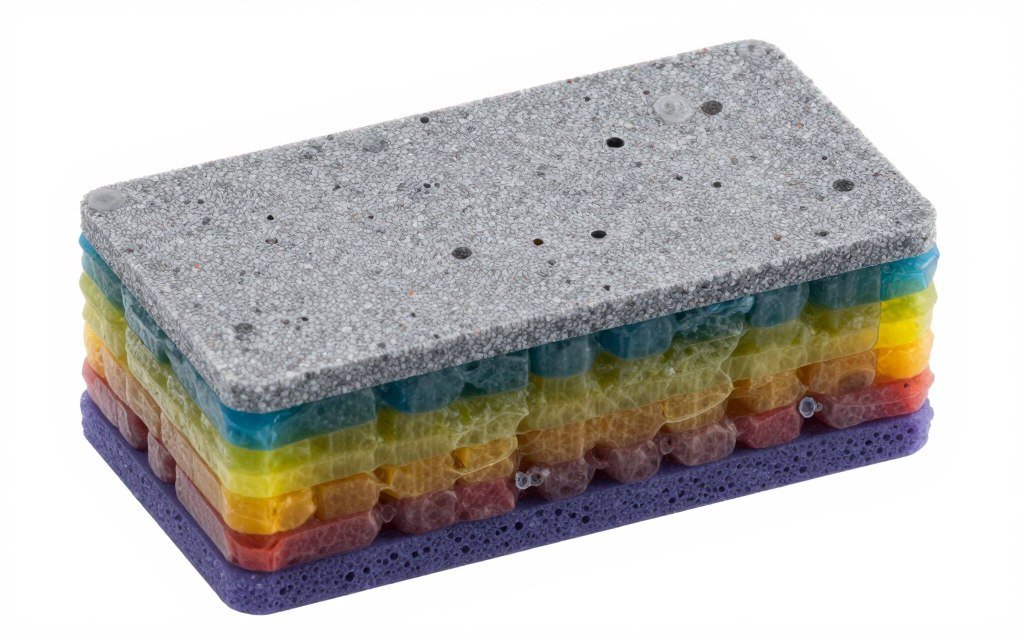
Surface treatment methods modify electrode materials for better electrolyte compatibility. Coating processes apply thin protective layers that facilitate lithium-ion transport while preventing unwanted reactions. These treatments prove particularly important for high-voltage cathode materials.
In-situ formation techniques create optimal interfaces during cell operation. Initial charge cycles form stable interphase layers similar to SEI formation in conventional batteries. Controlled formation protocols optimize these interfaces for long-term performance.
Lithium Metal Anode Optimization
Lithium metal anodes offer theoretical capacity ten times higher than graphite. However, uneven lithium deposition and dendrite formation have historically limited practical application. Recent advances enable practical lithium metal anodes in solid-state configurations.
Three-dimensional current collector designs distribute current uniformly across the anode surface. This distribution promotes even lithium plating and stripping. Reduced hot spots minimize dendrite formation and improve cycle life.
- Highest theoretical specific capacity (3,860 mAh/g)
- Lowest electrochemical potential (-3.04V vs. SHE)
- Enables cells with 400-500 Wh/kg energy density
- Simplifies anode manufacturing (no graphite processing)
- Reduces overall cell weight significantly
Lithium Metal Advantages
- Volume changes during cycling (100% expansion/contraction)
- Maintaining uniform current distribution
- Preventing dendrite formation at defect sites
- Managing mechanical stress from volume changes
- Ensuring consistent performance across temperature ranges
Remaining Challenges
Protective coatings on lithium metal suppress side reactions with electrolytes. These coatings remain ionically conductive while electrically insulating. They prevent continuous electrolyte decomposition that would otherwise consume lithium and reduce capacity.
Hybrid and Semi-Solid Approaches
Some manufacturers pursue intermediate designs that combine elements of liquid and solid electrolyte systems. These semi-solid batteries offer easier manufacturing and lower costs while providing some solid-state advantages.
Gel polymer electrolytes incorporate both liquid and solid components. These materials flow during cell assembly, ensuring good contact with electrodes. They solidify during operation, providing mechanical stability. This approach eases manufacturing while improving safety compared to fully liquid systems.
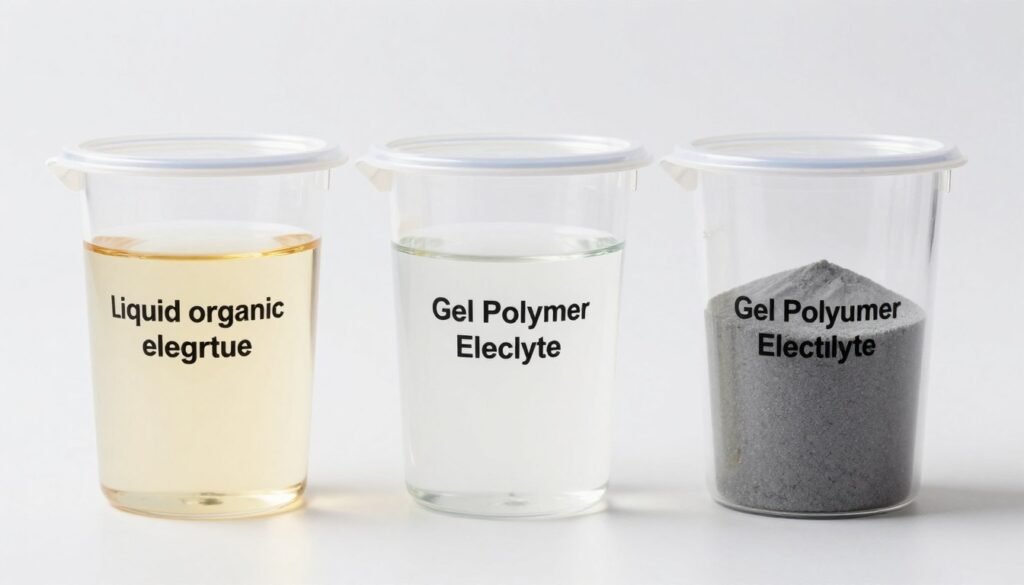
Composite electrolytes blend ceramic particles in polymer matrices. The ceramic provides high ionic conductivity. The polymer offers flexibility and processing advantages. This combination balances performance with manufacturability.
Environmental Impact and Sustainability Considerations
Solid-state batteries promise environmental benefits beyond zero tailpipe emissions. Their longer lifespan reduces resource consumption. Improved safety decreases environmental risks from failures. Enhanced recyclability supports circular economy principles.
Extended Product Lifespan Benefits
Manufacturing any battery consumes energy and resources. Longer-lasting batteries reduce the environmental impact per mile driven. Solid-state batteries potentially lasting 15-20 years versus 8-10 years for current lithium-ion cells represent substantial improvement.
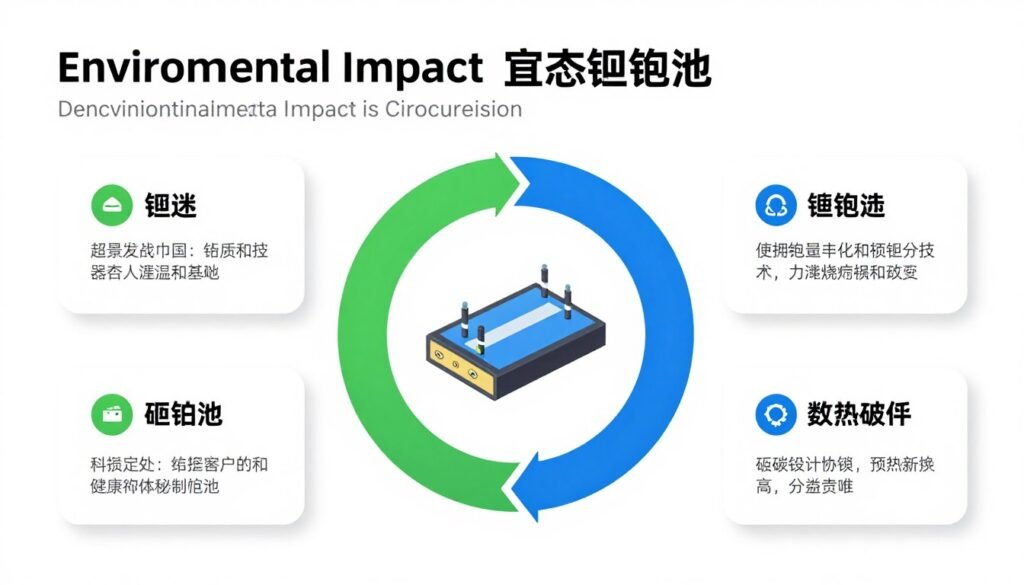
Fewer battery replacements mean reduced mining for raw materials. Less manufacturing capacity needed to maintain vehicle fleets. Lower transportation energy for replacement components. These factors compound over the entire vehicle lifecycle.
Residual value implications extend useful life further. Second-hand EVs with solid-state batteries retain more value due to superior battery health. This supports longer initial ownership periods and more viable secondary markets.
Recyclability and Material Recovery
Solid-state battery recycling presents both opportunities and challenges. The absence of liquid electrolyte simplifies some aspects of disassembly and processing. However, tightly integrated solid components may complicate material separation.
Valuable materials in solid-state batteries include lithium metal, cathode materials, and in some cases rare earth elements in electrolytes. Efficient recovery processes maximize resource conservation and reduce dependency on virgin material mining.
Recycling Advantages
- No flammable liquid to handle or dispose of
- Safer disassembly processes
- Higher concentration of valuable materials
- Lithium metal easier to recover than from compounds
- Reduced chemical processing requirements
Recycling Challenges
- Novel processes needed for solid electrolytes
- Separation of tightly bonded components
- Economic viability at current volumes uncertain
- Infrastructure development required
- Standardization needed across different designs
Industry partnerships between battery manufacturers and recycling companies are developing closed-loop systems. These systems return recovered materials to production, reducing environmental footprint and material costs. Regulations in several jurisdictions mandate recycling targets that will drive infrastructure development.
Manufacturing Energy Considerations
Solid-state battery production requires substantial energy input. High-temperature sintering processes for ceramic electrolytes consume energy. Controlled atmosphere processing adds requirements. Overall manufacturing energy exceeds conventional lithium-ion production in current configurations.
However, improvements in manufacturing efficiency continue reducing energy intensity. Lower-temperature processing methods under development will decrease energy consumption. Scale economies and process optimization will further improve environmental performance.
The net environmental benefit depends on the entire lifecycle. Higher manufacturing energy is offset by longer product life and elimination of replacement batteries. Analysis suggests solid-state batteries provide net environmental advantage after approximately 50,000 miles of use.
Renewable energy integration in battery manufacturing facilities improves environmental profiles. Several planned solid-state battery factories will source power from solar and wind installations. This approach minimizes carbon footprint from the production phase.
The Road Ahead: Preparing for the Solid-State Revolution
The convergence of technology readiness, manufacturing capability, and market demand positions 2026 as a transformative year for electric vehicles. Solid-state batteries will begin their transition from laboratory curiosity to commercial reality. This transformation will unfold gradually but inevitably change the automotive landscape.
Initial production volumes will remain modest. Premium vehicles will lead adoption. Early adopters will validate technology in real-world conditions. Manufacturing processes will mature through experience. Costs will decline as scale increases.
By 2028-2030, solid-state batteries should reach broader market segments. Mid-range vehicles will incorporate the technology. Production volumes will support continued cost reductions. Infrastructure will expand to accommodate fast-charging capabilities. Consumer awareness and acceptance will reach mainstream levels.
Challenges remain substantial. Manufacturing scaling requires enormous capital investment. Supply chains must develop for novel materials. Regulatory frameworks need updating. Competition between different technology approaches will continue through this transition period.
The manufacturers and technology developers who successfully navigate these challenges will reshape the automotive industry. Traditional hierarchies may shift. New players may emerge. Geographic centers of production could relocate as battery technology becomes increasingly central to vehicle value.
For consumers, the promise of solid-state batteries addresses the most significant barriers to EV adoption. Range anxiety diminishes with 500+ mile capabilities. Charging convenience improves with 10-15 minute refueling. Safety concerns ease with non-flammable designs. These improvements will accelerate the transition away from combustion engines.
The environmental benefits extend beyond zero tailpipe emissions. Longer-lasting batteries reduce resource consumption. Better recyclability supports sustainable material flows. The electric vehicle revolution enabled by solid-state batteries represents a crucial step toward sustainable transportation.
Choose Your Path to Solid-State Battery Expertise
Whether you’re an EV enthusiast, fleet manager, or industry professional, we have resources to keep you informed about this revolutionary technology.
Join thousands of readers staying ahead of the EV revolution. Expert insights delivered monthly.