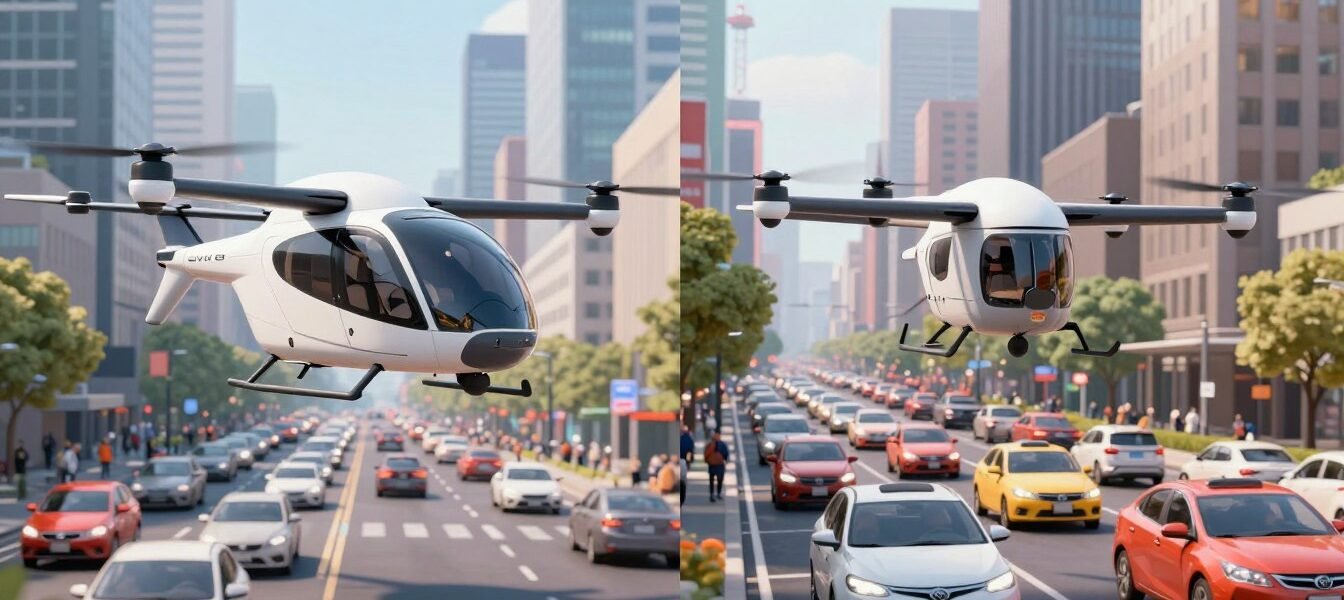
Urban transportation stands at a crossroads. Traditional ride-sharing services have transformed how millions travel through cities. Now, flying taxis promise to take that revolution skyward.
The vision seems straight from science fiction. Electric vertical takeoff and landing vehicles, known as eVTOL aircraft, could soon ferry passengers above gridlocked streets. But how do these futuristic flying taxis compare to the car-based ride-sharing we know today?
This comprehensive guide examines both transportation models. We explore costs, travel times, environmental impact, and what the future holds for urban mobility. Whether you’re a daily commuter or simply curious about emerging technology, understanding this shift could reshape how you think about city travel.
Understanding Flying Taxi Technology and eVTOL Aircraft
Flying taxis represent a new category of aircraft designed specifically for urban air travel. Unlike traditional helicopters, these vehicles use electric vertical takeoff and landing technology. The eVTOL model eliminates the need for runways, allowing operations from small rooftop pads or dedicated vertiports.
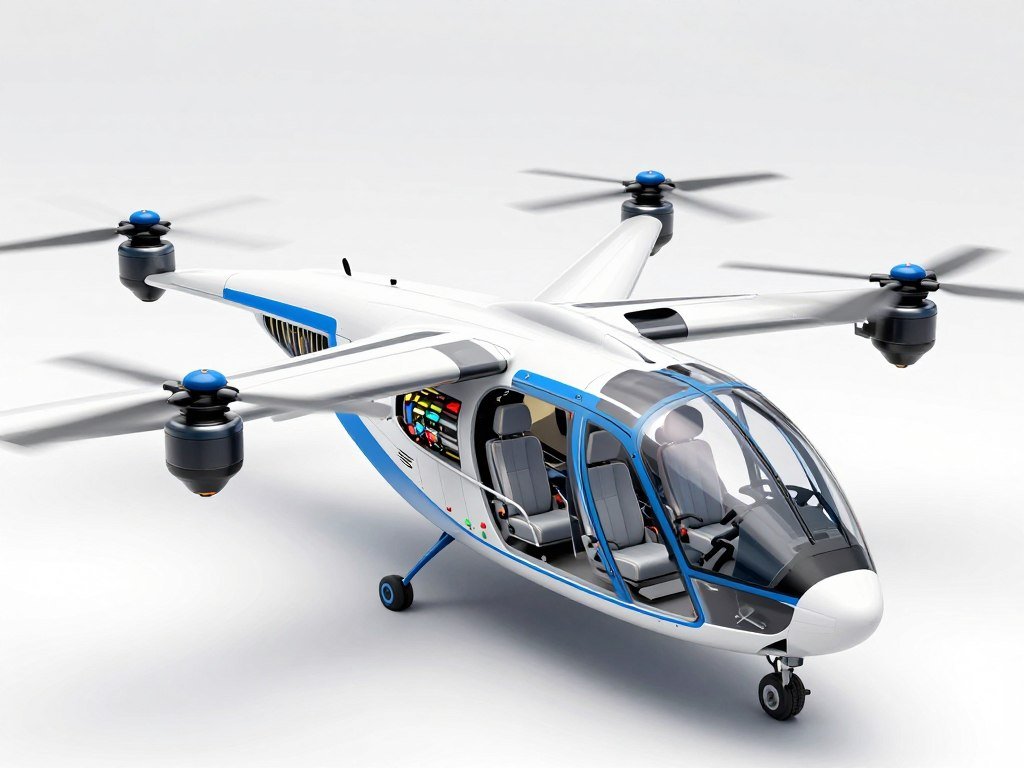
Most eVTOL aircraft feature multiple electric rotors for vertical flight. During takeoff and landing, these rotors provide lift straight up. Once airborne, the aircraft transitions to forward flight mode. Some designs tilt their rotors, while others use separate propulsion systems for horizontal speed.
The technology relies heavily on advanced battery systems. Current models target ranges between 60 and 150 miles per charge. Flight speeds typically reach 150 to 200 miles per hour, far exceeding ground-based vehicles in congested urban areas.
Key Technology Components
Several critical systems enable safe eVTOL operations in urban environments.
- Distributed electric propulsion with redundant motors
- Advanced battery packs with rapid charging capability
- Autonomous flight control systems and sensors
- Lightweight composite airframe materials
Safety Features
Modern flying taxi designs incorporate multiple layers of safety protection.
- Redundant power systems preventing total failure
- Emergency parachute systems for entire aircraft
- Advanced collision avoidance technology
- Real-time weather monitoring and route adjustment
Passenger Experience
The interior design focuses on comfort and accessibility for short urban flights.
- Climate-controlled cabin with noise reduction
- Seats for two to six passengers depending on model
- Large windows providing panoramic city views
- Minimal luggage capacity for short-distance travel
Operational Requirements
Flying taxis need specialized infrastructure different from traditional aviation.
- Vertiport landing pads on buildings or ground level
- Charging stations with high-voltage rapid charge
- Air traffic management systems for urban airspace
- Maintenance facilities for regular safety inspections
Companies like Joby Aviation, Lilium, and Archer are leading development. These firms have invested billions in bringing flying taxi technology to market. Several have conducted thousands of test flights, refining their aircraft designs and safety protocols.
The aviation industry expects initial commercial operations to begin in select cities within the next few years. However, widespread adoption depends on regulatory approval, infrastructure development, and public acceptance of this new transportation mode.
Flying Taxis vs Traditional Ride-Sharing: Cost Analysis
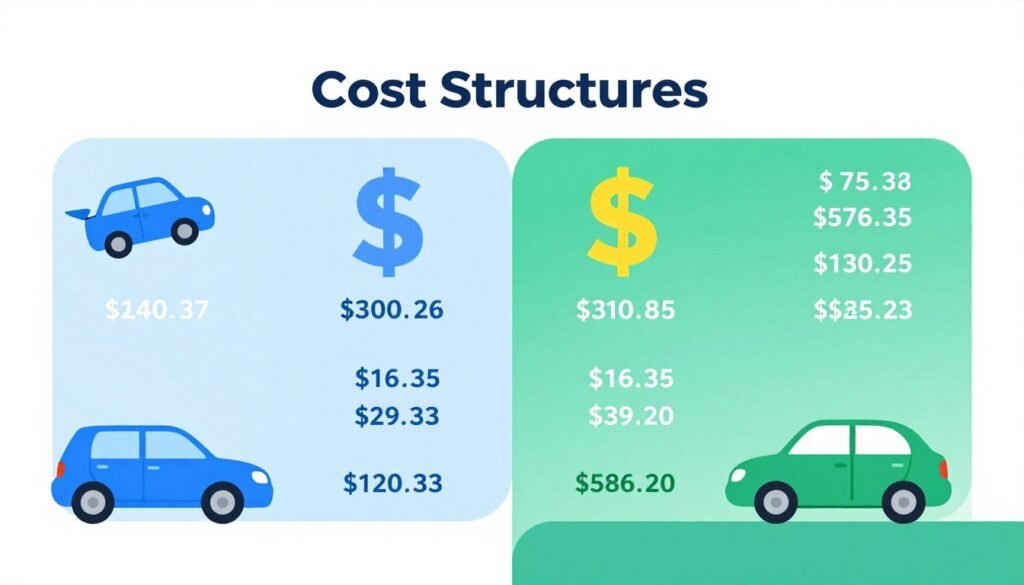
Cost remains a critical factor for most travelers. Traditional ride-sharing services like Uber and Lyft have established familiar pricing models. Flying taxis, however, introduce new cost structures based on different operational economics.
Current ride-sharing trips in major cities average between two and five dollars per mile. Surge pricing during peak hours can double or triple these rates. A typical ten-mile journey might cost twenty to thirty dollars under normal conditions.
Initial Flying Taxi Pricing Expectations
Early flying taxi services will likely target premium pricing. Industry analysts project initial rates between six and eight dollars per mile. This positions flying taxis as a luxury service comparable to helicopter rides but more affordable.
A ten-mile flying taxi trip could cost sixty to eighty dollars at launch. That represents roughly three times the price of ground-based ride-sharing. However, the time savings often justify the premium for business travelers and those with urgent needs.
| Factor | Traditional Ride-Sharing | Flying Taxis (Projected) |
| Base Cost Per Mile | $2.00 – $5.00 | $6.00 – $8.00 |
| 10-Mile Trip Cost | $20 – $50 | $60 – $80 |
| Wait Time | 3 – 8 minutes | 5 – 12 minutes |
| Travel Speed | 15 – 30 mph (urban) | 100 – 150 mph |
| Peak Hour Premium | 1.5x – 3x normal rate | 1.2x – 1.5x normal rate |
Long-Term Cost Projections
As flying taxi operations scale, costs should decrease significantly. Companies project prices reaching three to four dollars per mile within five to ten years. At that point, flying taxis become competitive with premium ground transportation for time-sensitive trips.
Several factors will drive costs down over time. Mass production of aircraft reduces manufacturing expenses. Autonomous operations eliminate pilot costs. Improved battery technology extends range and reduces charging downtime. Higher utilization rates spread fixed costs across more passengers.
Get Early Access to Flying Taxi Services
Join the waitlist for priority booking when flying taxi services launch in your city. Be among the first to experience the future of urban transportation.
Speed and Travel Time: Air vs Ground Transportation
Time represents the most compelling advantage for flying taxis. Urban traffic congestion creates unpredictable journey times for ground-based vehicles. Air travel eliminates these obstacles entirely, offering consistent and dramatically faster service.
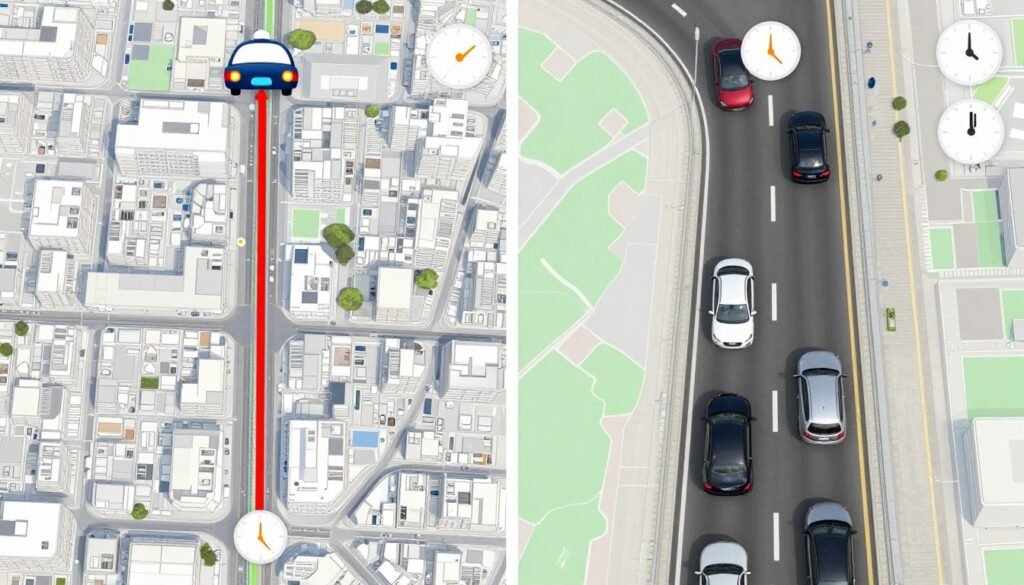
Traditional ride-sharing averages fifteen to thirty miles per hour in dense urban areas. Rush hour traffic often reduces speeds to single digits. A journey across Manhattan might take forty-five minutes to an hour by car during peak times.
Flying taxis cruise at speeds between one hundred and one hundred fifty miles per hour. The same cross-Manhattan trip could take just eight to twelve minutes of flight time. Adding ground transport to and from vertiports, total door-to-door time might reach twenty to twenty-five minutes.
Real-World Time Savings Scenarios
Consider a trip from downtown Los Angeles to LAX airport. By car, this fifteen-mile journey averages forty-five to sixty minutes during normal traffic conditions. Heavy traffic can extend the trip to ninety minutes or more.
A flying taxi covers the same distance in approximately ten to twelve minutes of flight time. Including five minutes for boarding and five for deplaning, total elapsed time reaches twenty to twenty-five minutes. That represents a time savings of at least fifty percent, often much more.
Ground Transportation Challenges
- Traffic congestion varies by time of day
- Accidents create unpredictable delays
- Construction zones reduce road capacity
- Weather conditions slow urban driving
- Limited route options in gridded cities
- Stop-and-go driving reduces efficiency
Air Transportation Advantages
- Direct point-to-point routing
- Consistent high-speed cruising
- Minimal weather impact with modern systems
- No traffic congestion in urban airspace
- Predictable journey times aid scheduling
- Multiple altitude options for efficiency
The time advantage becomes even more pronounced for longer urban trips. A thirty-mile journey that might require ninety minutes by car could take just twenty minutes by air. For business travelers and those with tight schedules, this efficiency justifies higher costs.
However, accessibility matters too. Traditional ride-sharing picks up passengers almost anywhere. Flying taxis require travel to designated vertiports. This added ground transportation time reduces some of the overall time advantage, especially for shorter trips.
Current Development Status and Pilot Programs
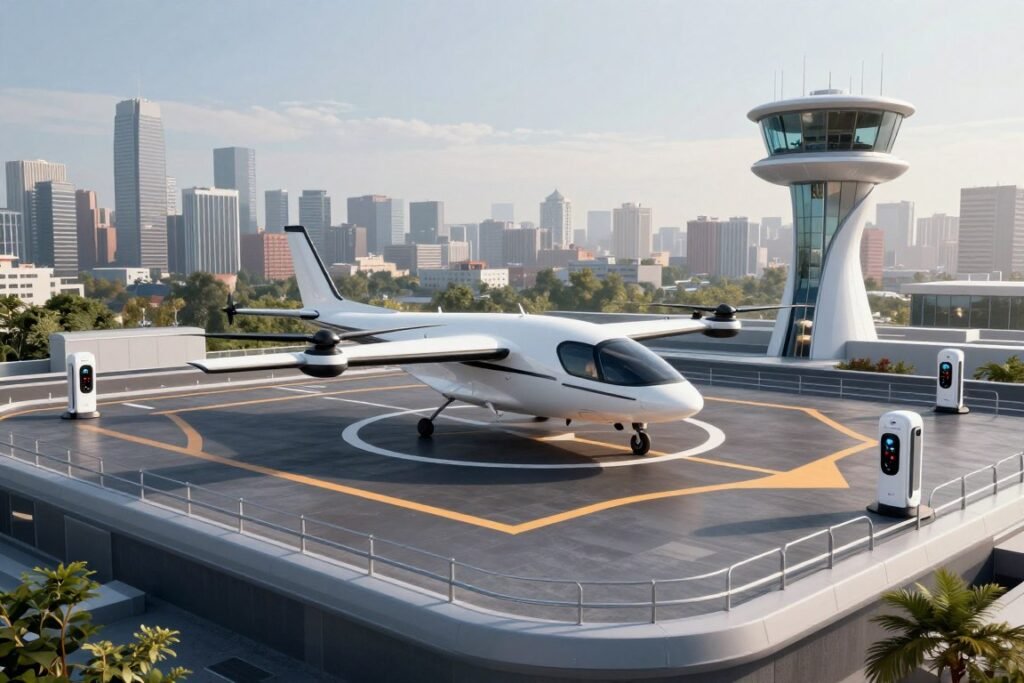
Flying taxi development has accelerated dramatically in recent years. Multiple companies now conduct regular test flights. Several major cities worldwide are building infrastructure to support commercial operations.
Joby Aviation completed over one thousand test flights with their five-seat eVTOL aircraft. The company partnered with Uber to develop air taxi services and secured Federal Aviation Administration certification pathways. They target commercial launch in select cities by the mid-2020s.
Major Cities Leading Adoption
Dubai launched the first flying taxi demonstration program in 2017. The city aims to handle twenty-five percent of all passenger trips via autonomous air vehicles by 2030. Several vertiports are under construction across the emirate.
Los Angeles is developing infrastructure for the 2028 Olympics. The city plans to showcase flying taxis as a premium transportation option connecting venues and airports. Multiple test corridors are being established throughout the metropolitan area.
Singapore
Conducting trials with Volocopter for tourism and airport connections. The government designated specific air corridors for testing. Commercial operations target 2025 launch.
Paris
Planning flying taxi services for the 2024 Olympics. Multiple vertiports under development. Focus on connecting airports to city center and venues.
Orlando
Lilium selected the city for North American headquarters. Building vertiport network throughout Central Florida. Tourism market provides ideal use case for initial deployment.
Several other cities including New York, San Francisco, and Tokyo have announced pilot programs. Most focus on airport connections and point-to-point executive travel before expanding to broader markets.
Regulatory Progress and Certification
The Federal Aviation Administration created new certification standards specifically for eVTOL aircraft. This framework addresses unique safety concerns while enabling innovation. European and Asian aviation authorities are developing similar regulations.
Certification remains a significant hurdle. Aircraft must demonstrate safety levels comparable to commercial airlines. This requires extensive testing and documentation. Most manufacturers expect certification processes to extend two to three years for initial models.
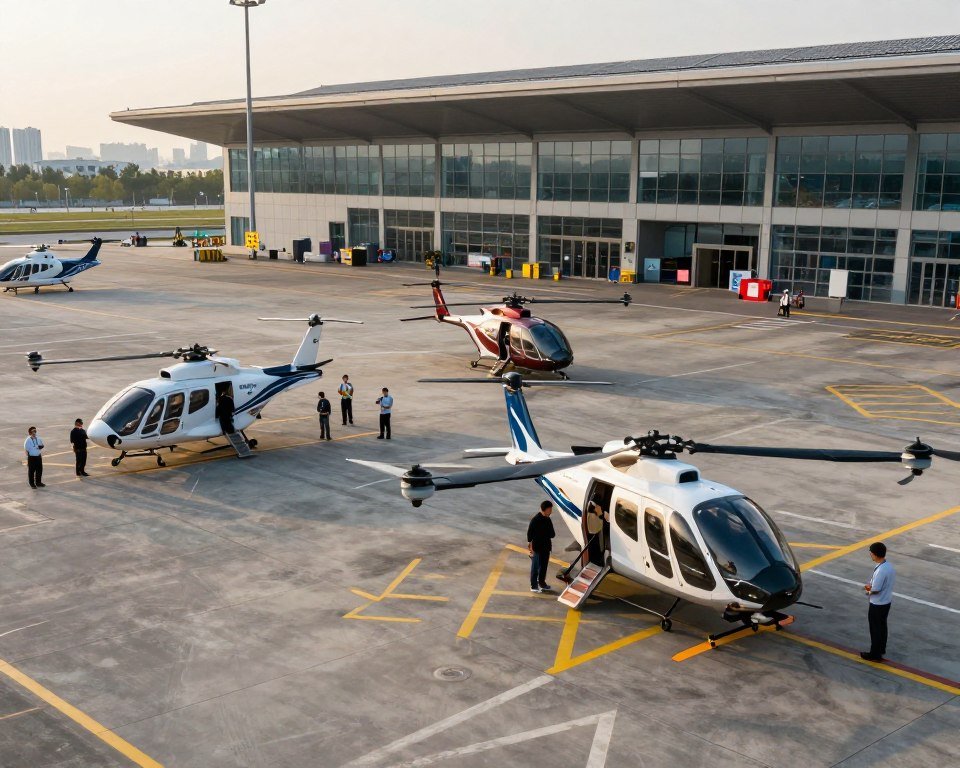
International coordination presents another challenge. Aircraft operating across borders need certification from multiple authorities. Harmonizing standards globally will accelerate market development and reduce costs for manufacturers.
Environmental Impact and Sustainability Considerations
Environmental concerns drive much of the interest in flying taxis. Electric propulsion eliminates direct carbon emissions during flight. This positions eVTOL aircraft as a cleaner alternative to traditional transportation in cities struggling with air quality.

Traditional ride-sharing vehicles, even hybrid models, produce significant emissions. A typical gas-powered car emits about one pound of carbon dioxide per mile. Electric cars reduce this considerably, but battery production and electricity generation still create environmental impact.
Flying taxis powered by renewable electricity could achieve near-zero operational emissions. The aviation industry sees this as a critical step toward sustainable urban transportation. However, the complete environmental picture requires examining several factors beyond flight operations.
Energy Efficiency Analysis
Current eVTOL designs consume approximately four hundred to six hundred watt-hours per passenger mile. This energy use compares favorably to helicopters but exceeds efficient ground vehicles. As battery technology improves, energy consumption should decrease significantly.
The electricity source matters enormously. Flying taxis charged from coal-fired power plants offer limited environmental benefits. Those powered by solar, wind, or hydroelectric energy deliver substantial carbon reductions compared to fossil fuel vehicles.
Environmental Benefits
- Zero direct emissions during operation
- Reduced urban noise compared to helicopters
- Lower particulate pollution in city centers
- Potential to reduce overall vehicle miles traveled
- Scalable with renewable energy adoption
- Minimal ground infrastructure impact
Environmental Concerns
- Battery production requires mining rare materials
- Higher energy consumption per mile than ground EVs
- Manufacturing carbon footprint for aircraft
- Electricity grid must support charging demand
- Battery disposal and recycling challenges
- Potential wildlife impact from increased air traffic
Comparing Carbon Footprints
A comprehensive lifecycle analysis examines total environmental impact from manufacturing through operation to disposal. Traditional vehicles have well-documented carbon footprints. Flying taxis, being newer, require projection based on current data.
Manufacturing a typical car produces about fifteen tons of carbon dioxide equivalent. Flying taxi production likely generates twenty-five to thirty-five tons due to advanced materials and complex systems. However, longer service life and higher utilization rates may offset this difference.
Operational emissions depend heavily on local electricity sources. In regions with clean grids, flying taxis could reduce transportation emissions by sixty to eighty percent compared to gas vehicles. In coal-dependent areas, benefits drop to twenty to thirty percent.
Stay Updated on Sustainable Urban Mobility
Subscribe to our newsletter for the latest developments in electric flying taxis, environmental impact studies, and urban transportation innovations.
Regulatory Challenges and Safety Concerns
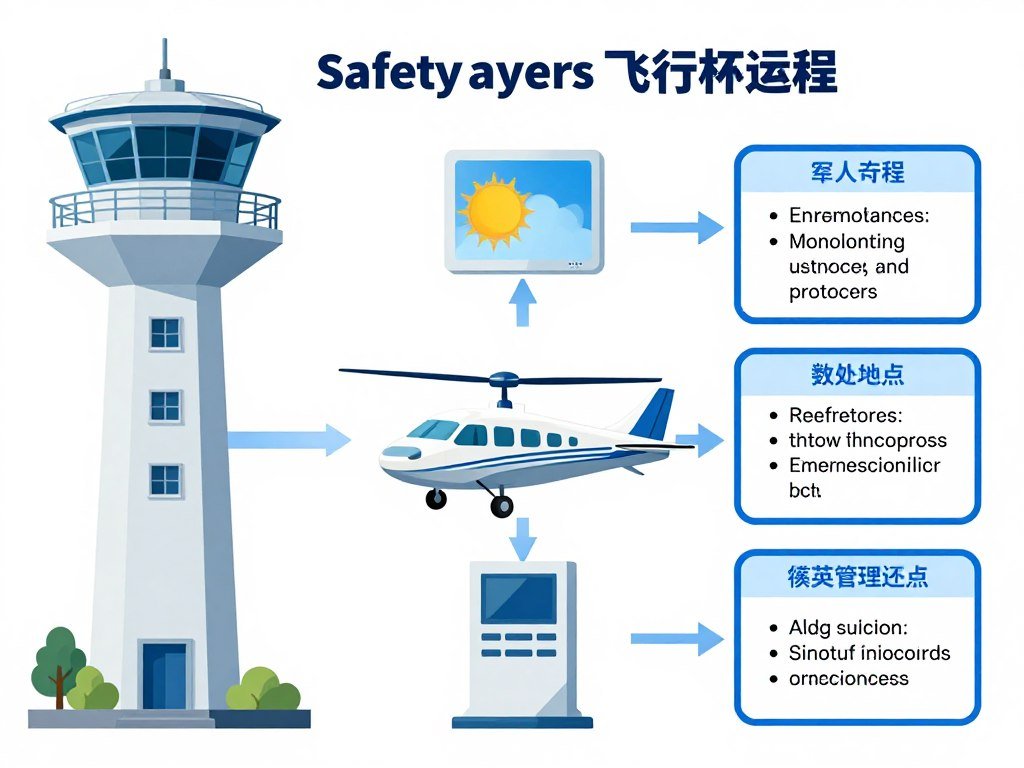
Safety represents the paramount concern for any new aviation technology. Flying taxis must meet rigorous standards before carrying paying passengers. Regulatory authorities worldwide are developing frameworks specifically for urban air mobility.
The Federal Aviation Administration requires eVTOL aircraft to demonstrate safety equivalent to commercial airlines. This means extremely low failure rates and robust redundant systems. Companies must complete thousands of test flights and extensive documentation before certification.
Key Safety Systems and Protocols
Modern flying taxi designs incorporate multiple redundancy layers. If one motor fails, others compensate to maintain controlled flight. Most designs can safely land even with several motor failures. Backup power systems ensure critical controls always function.
Advanced sensors continuously monitor aircraft systems and surrounding airspace. Collision avoidance technology detects other aircraft, birds, and obstacles. Automated systems can take control if they detect unsafe conditions or pilot error.
- Trained aviation professionals at controls
- Human judgment for complex situations
- Direct communication with air traffic control
- Passenger comfort from visible pilot presence
- Higher operational costs limit accessibility
Pilot-Operated Safety
- Elimination of human error factors
- Consistent adherence to safety protocols
- Faster reaction times to emergencies
- Lower costs enable broader service
- Requires extensive testing for certification
Autonomous Flight Safety
- Remote pilot monitoring autonomous systems
- Intervention capability for unusual situations
- Gradual transition builds public confidence
- Balanced cost structure and safety assurance
- Likely path for initial commercial deployment
Hybrid Approach
Regulatory Framework Development
Creating appropriate regulations for flying taxis requires balancing innovation with safety. Traditional aviation rules don’t fit urban air mobility perfectly. New frameworks must address unique operational environments and use cases.
Authorities are developing performance-based standards rather than prescriptive rules. This allows manufacturers flexibility in meeting safety objectives while ensuring consistent protection levels. International coordination aims to create compatible standards globally.
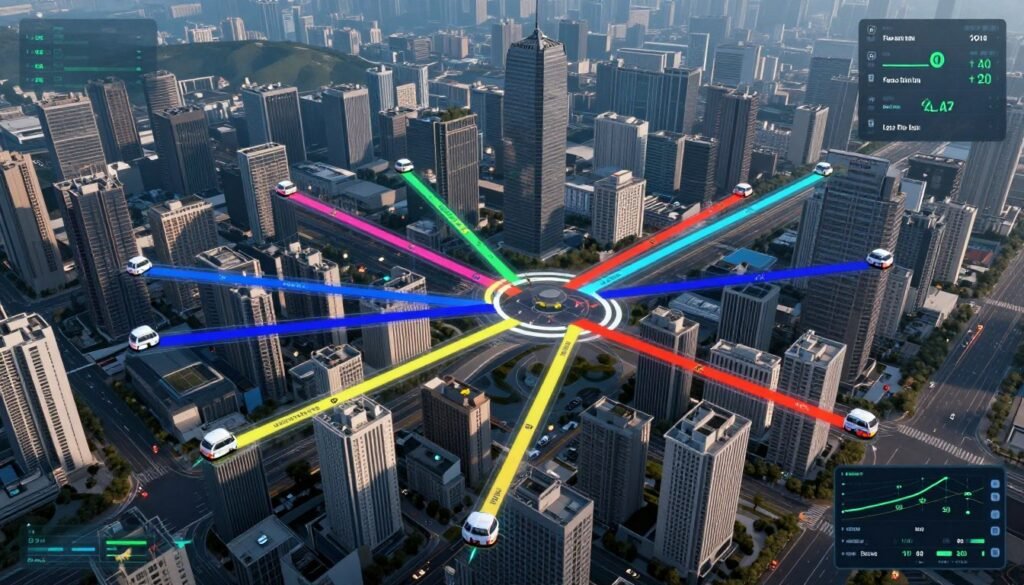
Airspace management presents particular challenges. Urban areas currently have limited low-altitude air traffic. Adding hundreds of flying taxis requires sophisticated coordination systems. Automated traffic management platforms are under development to handle high-density operations safely.
Public acceptance depends heavily on demonstrated safety records. Initial operations will face intense scrutiny. Any accidents during early deployment could significantly delay broader adoption. This creates strong incentives for conservative, safety-first approaches.
Urban Infrastructure and Traffic Congestion Impact
Flying taxis promise to reshape urban transportation infrastructure fundamentally. Unlike traditional ride-sharing, which uses existing roads, air taxis require entirely new facilities. This creates both opportunities and challenges for city planners.

Vertiports form the backbone of flying taxi operations. These facilities need landing pads, charging stations, passenger waiting areas, and safety systems. Rooftops, parking garages, and dedicated ground facilities all present viable locations.
A single vertiport can potentially handle sixty to one hundred twenty operations per hour. This high throughput from minimal ground space makes them efficient compared to traditional parking and loading zones. One rooftop vertiport might replace dozens of car pickup locations.
Reducing Ground Traffic Congestion
Every trip taken by flying taxi instead of ground vehicle reduces road congestion. Models suggest that shifting just five to ten percent of urban trips to air could significantly improve traffic flow. Rush hour bottlenecks might ease as commuters gain viable alternatives.
However, passengers still need to reach vertiports. This creates new traffic patterns around these facilities. Strategic placement near transit hubs can encourage multimodal journeys, combining trains or buses with flying taxi service for optimal efficiency.
Infrastructure Requirements
Cities must develop significant new facilities to support flying taxi operations at scale.
- Network of vertiports across metropolitan areas
- High-capacity electrical grid for charging stations
- Air traffic management technology systems
- Ground transportation connections to vertiports
Urban Planning Opportunities
Flying taxis enable new approaches to city development and transportation planning.
- Reduced need for downtown parking facilities
- Repurposing road space for pedestrians and bikes
- Connecting outlying areas without highway expansion
- Economic development around vertiport locations
Integration Challenges
Successfully adding flying taxis to existing urban systems requires careful coordination.
- Noise impact on residential neighborhoods
- Visual impact of increased air traffic
- Safety zones around vertiport approaches
- Equitable access across income levels
Economic Implications
Flying taxi infrastructure creates both costs and economic opportunities for cities.
- Job creation in aviation and maintenance sectors
- Real estate value shifts near vertiport locations
- Tourism and business travel advantages
- Public versus private infrastructure investment
Cities investing early in vertiport infrastructure may gain competitive advantages. Business travelers prefer locations with efficient transportation. Tourism benefits from unique aerial perspectives and time-saving connections. These factors could influence corporate location decisions and economic development.
Noise and Community Concerns
While quieter than helicopters, flying taxis still produce noise. Multiple aircraft operating overhead could impact quality of life in some neighborhoods. Manufacturers focus on noise reduction through design optimization and operational procedures.
Community engagement will prove critical for successful deployment. Residents near proposed vertiport sites need involvement in planning processes. Addressing concerns about noise, safety, and privacy early helps build public support for this new transportation mode.
Timeline for Widespread Adoption and Future Outlook
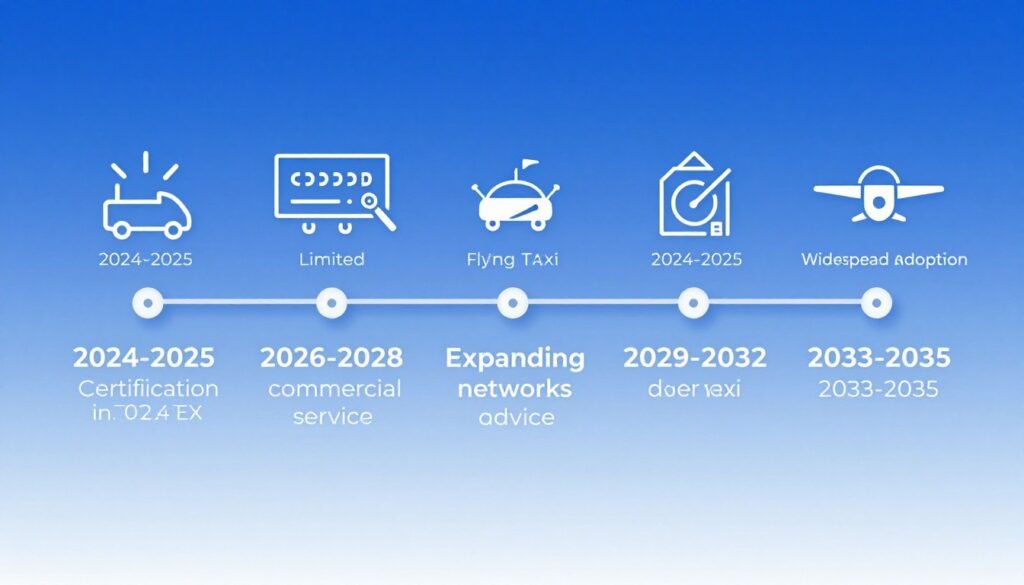
Flying taxi adoption will unfold in phases over the next decade. Initial services will be limited in scope and geography. Gradual expansion follows as technology matures, regulations solidify, and infrastructure develops.
The first commercial operations are expected between 2025 and 2027 in select cities. These early services will likely focus on premium airport connections and point-to-point executive travel. Prices will remain high, limiting access to business travelers and affluent individuals.
Phase One: Limited Launch (2025-2028)
Initial deployments will operate in carefully controlled environments. Cities with strong regulatory support and existing aviation infrastructure lead the way. Dubai, Singapore, Los Angeles, and Orlando represent likely first markets.
Services during this phase may only include a few aircraft and routes. Think of it as similar to early ride-sharing in 2010-2011. Operations focus on proving safety, refining procedures, and building public confidence. Prices range from six to ten dollars per mile.
Phase Two: Network Expansion (2028-2032)
As operations prove successful, more cities will add flying taxi services. Aircraft production scales up, reducing costs. Additional routes connect suburbs to city centers, airports to business districts, and major metropolitan areas to nearby cities.
Autonomous operations may begin during this phase, dramatically reducing costs. Prices could drop to four to six dollars per mile. Service becomes accessible to upper-middle-class travelers for important trips, not just the wealthy.
Traditional ride-sharing companies will likely integrate flying taxis into their apps. Passengers book multimodal trips combining ground vehicles to vertiports with aerial segments. This seamless integration accelerates adoption by leveraging familiar booking platforms.
Phase Three: Mainstream Adoption (2032-2035)
By the mid-2030s, flying taxis could become common in major cities worldwide. Dense vertiport networks enable convenient access. Prices approach three to four dollars per mile, competitive with premium ground transportation for many routes.
At this point, flying taxis represent a normal transportation option rather than a novelty. Daily commuters might use them several times per week. Tourism packages include scenic aerial tours. Emergency medical services utilize the technology for rapid patient transport.

What This Means for the Average Commuter
For most people, flying taxis won’t replace traditional transportation entirely. Instead, they’ll complement existing options, providing alternatives for specific situations where time matters most.
Consider a professional with an important meeting across town during rush hour. Today, they might spend ninety minutes in traffic. In the future, they could take a ten-minute flying taxi for seventy dollars, arriving fresh and on time. The choice depends on the value of that saved time.
Families heading to airports might regularly choose flying taxis to avoid traffic stress. Business travelers could bypass congested highways for inter-city trips under one hundred miles. Emergency situations gain a rapid transportation option.
Ground-based ride-sharing will remain the primary option for most everyday trips. It costs less and provides door-to-door service without vertiport transfers. Flying taxis serve as a premium tier for when speed justifies the expense.
Key Takeaway: The transformation won’t happen overnight. Expect gradual integration over ten to fifteen years, with flying taxis initially serving niche markets before expanding to broader accessibility. Traditional ride-sharing and flying taxis will coexist, each serving different needs within the transportation ecosystem.
Conclusion: Choosing Between Sky and Street
Flying taxis and traditional ride-sharing each offer distinct advantages. Ground transportation provides affordable, accessible service for everyday trips. Air taxis deliver unmatched speed and efficiency for time-sensitive journeys.
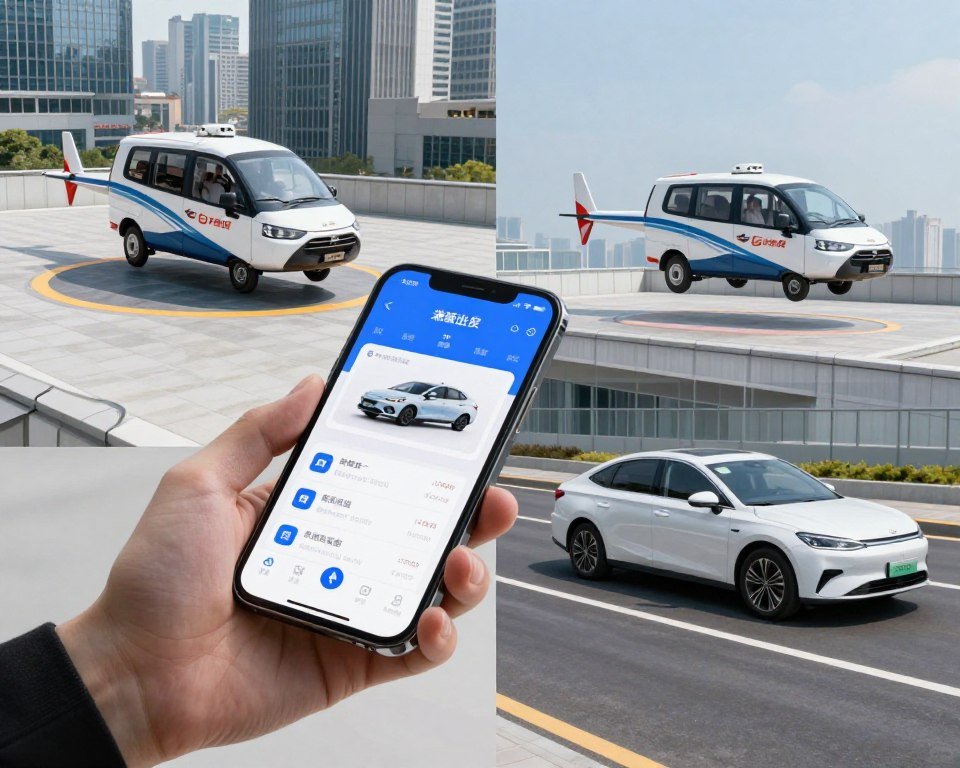
The future likely includes both options working together. Urban transportation systems will become more layered and flexible. Passengers choose modes based on trip characteristics, budget, and timing rather than one-size-fits-all solutions.
For early adopters and business travelers, flying taxis offer immediate value despite higher costs. The time savings and reliability justify premium pricing. As technology matures and operations scale, broader accessibility follows.
Environmental considerations favor electric options in both categories. Flying taxis powered by renewable energy could significantly reduce urban transportation emissions. However, they work best as part of comprehensive sustainable mobility strategies, not replacements for efficient public transit.
Safety remains paramount. Rigorous testing and regulatory oversight will ensure flying taxis meet high standards before widespread deployment. Public confidence builds gradually through demonstrated safe operations over years.
The next decade will prove transformative for urban mobility. Cities investing in infrastructure and regulatory frameworks position themselves as leaders in this evolution. Residents of these forward-thinking metropolitan areas will be first to experience the benefits of three-dimensional transportation networks.
Whether flying taxis become commonplace or remain a premium service depends on multiple factors. Technology costs, regulatory development, public acceptance, and infrastructure investment all play critical roles. One certainty remains: the conversation about urban transportation has permanently expanded beyond streets and rails to include the sky above.