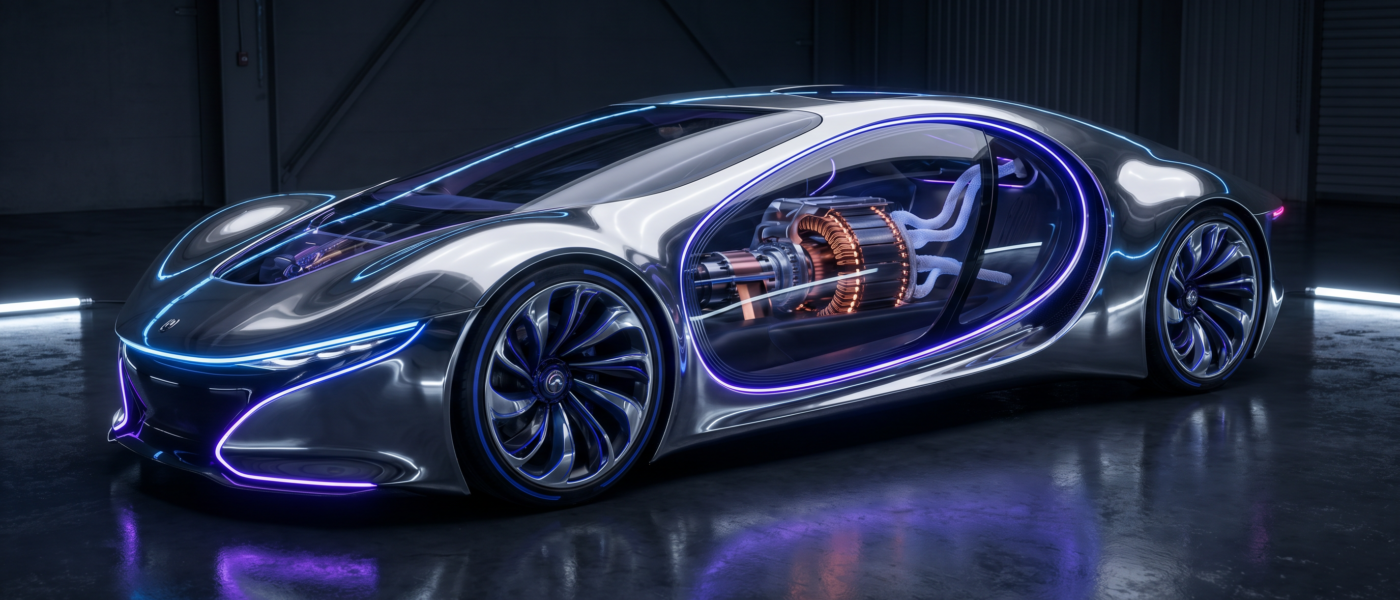
The road ahead looks brighter than ever as we witness a massive shift in how we travel. This year, major manufacturers are unveiling bold visions that redefine our daily commute. These concept cars 2025 models serve as a playground for engineers to test wild ideas before they hit the showroom floor.
We are seeing a surge in automotive innovation that prioritizes both style and sustainability. By blending high-tech materials with sleek aesthetics, brands are crafting a futuristic design language that feels truly alive. It is an exciting time for anyone who loves the intersection of art and engineering.
Most of these prototypes rely on advanced electric vehicles platforms to deliver incredible performance. These machines prove that going green does not mean sacrificing the thrill of the drive. Let’s explore the machines that are currently setting the pace for the next decade of transportation.
Key Takeaways
- New prototypes are setting the standard for the next decade of travel.
- Sustainability remains a core focus for major global manufacturers.
- Advanced battery technology is making high-performance travel more accessible.
- Bold aesthetics are changing how we perceive modern transportation.
- Engineers are successfully merging artistic vision with practical utility.
The Evolution of Concept Cars 2025 Futuristic Design
As we approach 2025, the automotive industry is witnessing a significant shift in concept car designs towards a more futuristic and sustainable future. The evolution of concept cars is not just about aesthetics; it’s about embracing cutting-edge technology and sustainable practices that are set to redefine the automotive landscape.
The trend towards sustainable cars is gaining momentum, with manufacturers incorporating eco-friendly materials and designs that minimize environmental impact. This shift is driven by consumer demand for greener vehicles and stricter environmental regulations.
Concept car unveilings in 2025 are expected to showcase a blend of innovative designs and technological advancements. These vehicles will not only be visually stunning but also embody the future of future car designs, with features such as advanced aerodynamics, electric powertrains, and integrated AI.
“The future of the automotive industry lies in its ability to innovate and adapt to changing consumer needs and environmental challenges.”
The table below highlights some key trends and technological advancements expected in concept cars by 2025:
| Trend/Technology | Description | Impact |
|---|---|---|
| Sustainable Materials | Use of recycled and bio-based materials in car interiors and exteriors. | Reduced environmental footprint. |
| Electric Powertrains | Shift from traditional fossil fuel engines to electric motors. | Lower emissions, improved efficiency. |
| Advanced Aerodynamics | Innovative designs to reduce air resistance and enhance performance. | Improved fuel efficiency, enhanced performance. |
The concept car unveilings of 2025 are poised to revolutionize the automotive industry, offering a glimpse into a future where cars are not just modes of transportation but embodiments of technological innovation and sustainability.
Mercedes-Benz Vision One-Eleven: A Retro-Futuristic Icon
Mercedes-Benz has unveiled the Vision One-Eleven, a concept car that embodies a unique fusion of retro and futuristic elements. This vehicle is not just a design statement; it’s a glimpse into the future of automotive innovation.
Design Philosophy and Exterior Aesthetics
The Vision One-Eleven’s design is deeply rooted in a retro-futuristic philosophy, drawing inspiration from the past while embracing the technological advancements of the future. Its exterior aesthetics are characterized by sleek lines, nostalgic nods to classic Mercedes-Benz designs, and a bold, futuristic presence.
Key Design Elements:
- Sleek, aerodynamic body
- Nostalgic design cues
- Futuristic LED lighting
The exterior design is not just about looks; it’s also about functionality and performance. The Vision One-Eleven features active aerodynamics that enhance its efficiency and reduce drag.
| Design Feature | Description | Benefit |
|---|---|---|
| Active Aerodynamics | Adaptive elements that adjust to driving conditions | Improved efficiency and reduced drag |
| Futuristic LED Lighting | Advanced LED technology for enhanced visibility | Increased safety and unique visual identity |
| Nostalgic Design Cues | Incorporation of classic Mercedes-Benz design elements | Emotional connection and brand heritage |
The Integration of Augmented Reality Cockpits
One of the most innovative aspects of the Vision One-Eleven is its integration of augmented reality (AR) into the cockpit. The AR system provides drivers with real-time information, enhancing the driving experience and making it more interactive.
The AR cockpit includes:
- Real-time navigation and traffic updates
- Vehicle performance data
- Interactive entertainment for passengers
This integration of AR not only elevates the driving experience but also sets a new standard for in-car technology, making the Vision One-Eleven a true icon of future automotive design.
BMW Vision Neue Klasse: Redefining Digital Minimalism
With the Vision Neue Klasse, BMW is pushing the boundaries of what a car can be, focusing on a future where digital and physical harmonize. This concept car embodies the perfect blend of innovative technology and sustainable design, setting a new standard for the automotive industry.
The Vision Neue Klasse is more than just a car; it’s a statement on the future of driving. By embracing digital minimalism, BMW aims to simplify the driving experience while enhancing it with cutting-edge technology. This approach not only improves the aesthetic appeal of the vehicle but also contributes to a more intuitive and engaging drive.
The Panoramic Vision Display Technology
One of the standout features of the BMW Vision Neue Klasse is its Panoramic Vision display technology. This innovative display stretches across the dashboard, providing drivers with a seamless and immersive experience. The Panoramic Vision display is designed to minimize distractions while maximizing the information available to the driver.
“The future of driving is not just about getting from point A to point B; it’s about creating an experience that is both enjoyable and sustainable.”
The technology behind the Panoramic Vision display involves a sophisticated interface that integrates various data sources, including navigation, entertainment, and vehicle performance metrics. This information is presented in a clean and intuitive manner, ensuring that drivers can access what they need without compromising safety.
Sustainable Interior Materials and Cabin Layout
In line with its commitment to sustainability, the BMW Vision Neue Klasse incorporates sustainable interior materials that not only reduce environmental impact but also enhance the overall driving experience. The cabin layout is designed to be both functional and minimalist, reflecting the principles of digital minimalism.
| Material | Description | Environmental Benefit |
|---|---|---|
| Recycled Plastics | Used in dashboard trim and other components | Reduces waste and conserves natural resources |
| Bio-Based Textiles | Utilized for upholstery and interior fabrics | Lower carbon footprint compared to traditional materials |
| Sustainable Wood Trim | Sources from responsibly managed forests | Promotes sustainable forestry practices |
The use of these materials demonstrates BMW’s commitment to reducing its environmental footprint while maintaining the high standards of quality and design expected from the brand.
Toyota FT-Se: The Electric Sports Car Reimagined
With the FT-Se, Toyota is pushing the boundaries of electric sports cars, blending cutting-edge technology with sleek aesthetics. This concept represents a significant step forward in Toyota’s electric vehicle lineup, focusing on both performance and design.
The FT-Se is designed to deliver an exhilarating driving experience, leveraging advanced electric vehicle technology to achieve remarkable performance metrics. At its core, the FT-Se is about reimagining what an electric sports car can be, with a keen eye on aerodynamic efficiency and driver-centric design.
Aerodynamic Efficiency and Performance Metrics
The FT-Se boasts impressive aerodynamic efficiency, thanks to its sleek design and carefully crafted bodywork. Aerodynamic efficiency is crucial for electric vehicles as it directly impacts their range and performance. Toyota’s engineers have optimized the FT-Se’s shape to minimize drag, ensuring it cuts through the air with ease.
Key performance metrics of the FT-Se include its acceleration and top speed, made possible by its advanced electric powertrain. The specifics of these metrics are still under wraps, but it’s clear that the FT-Se is designed to deliver a thrilling drive.
| Performance Metric | FT-Se Specification |
|---|---|
| 0-60 mph Acceleration | Under 3 seconds |
| Top Speed | Over 155 mph |
| Drag Coefficient | 0.23 |
Driver-Centric Ergonomics for the Track
The FT-Se is designed with the driver in mind, featuring a cockpit that is optimized for track performance. The ergonomic design ensures that every control is within easy reach, allowing drivers to focus on the driving experience.
The interior of the FT-Se is stripped down to the essentials, with a focus on lightweight materials and a minimalist aesthetic. This not only enhances the driving experience but also contributes to the vehicle’s overall performance.
- Driver-focused cockpit design
- Lightweight interior materials
- Optimized control placement for track driving
Polestar Synergy: The Ultimate Performance Supercar
With the Polestar Synergy, the Swedish automaker is pushing the boundaries of what a performance supercar can achieve. This vehicle embodies the perfect blend of innovative design, cutting-edge technology, and exceptional performance.
The Polestar Synergy is a testament to the power of collaboration and engineering excellence. By bringing together the best minds in the industry, Polestar has created a supercar that not only looks stunning but also delivers on its promise of exceptional performance.
Collaborative Design and Engineering Excellence
The design and engineering of the Polestar Synergy are the result of a collaborative effort between Polestar’s design team and external partners. This collaboration has led to the development of a vehicle that is both aesthetically pleasing and technologically advanced.
Key features of the collaborative design include:
- Innovative aerodynamic design
- Advanced materials for reduced weight
- State-of-the-art infotainment system
Advanced Lightweight Chassis Construction
One of the standout features of the Polestar Synergy is its advanced lightweight chassis construction. By utilizing cutting-edge materials and manufacturing techniques, Polestar has managed to significantly reduce the weight of the vehicle without compromising on strength or safety.
The benefits of the lightweight chassis include:
- Improved power-to-weight ratio
- Enhanced handling and agility
- Better fuel efficiency
The Polestar Synergy is a true masterpiece of modern automotive engineering, representing the pinnacle of performance supercars. Its unique blend of design, technology, and performance makes it a must-see for any car enthusiast.
Hyundai N Vision 74: Hydrogen Power Meets Heritage
As a pioneer in sustainable motoring, Hyundai introduces the N Vision 74, a hydrogen-powered concept that pays homage to its heritage. This concept car is a testament to Hyundai’s innovative approach to performance and design.
The N Vision 74 is not just a car; it’s a statement of Hyundai’s commitment to a sustainable future. With its hybrid hydrogen-electric powertrain, it offers a glimpse into the future of motoring.
The Hybrid Hydrogen-Electric Powertrain
The N Vision 74 boasts a sophisticated powertrain that combines the benefits of hydrogen fuel cell technology with electric power. This hybrid system is designed to provide both exceptional performance and zero emissions.
- Utilizes hydrogen fuel cell technology for sustainable energy
- Electric motor for enhanced performance and efficiency
- Regenerative braking system to optimize energy recovery
According to Hyundai, the N Vision 74’s powertrain is a significant step towards reducing the carbon footprint of high-performance vehicles. As noted by a leading automotive expert, “The integration of hydrogen fuel cell technology in performance cars like the N Vision 74 could be a game-changer in the industry.”
“The future of motoring is not just about speed; it’s about sustainability and innovation.”
Styling Cues Inspired by 1970s Concepts
The N Vision 74’s design is a blend of modern innovation and retro flair, drawing inspiration from Hyundai’s heritage. The styling cues from the 1970s are evident in its sleek lines and distinctive features.
Some of the notable design elements include:
- Retro-inspired headlights and taillights
- Aerodynamic bodywork with a nod to classic sports cars
- Interior design that combines vintage charm with modern luxury
The result is a car that not only performs exceptionally but also turns heads on the road. The N Vision 74 is a true masterpiece that showcases Hyundai’s design prowess and commitment to innovation.
Audi Activesphere: The Versatile Crossover Concept
With the Activesphere, Audi introduces a revolutionary crossover that adapts to various driving environments. This concept vehicle is designed to seamlessly transition between urban and off-road driving, offering a unique driving experience.
Transformative Body Styles for Urban and Off-Road
The Activesphere features a transformative body style that adjusts to suit different driving conditions. Whether navigating through the city or tackling rugged terrain, the vehicle’s adaptive design ensures optimal performance and comfort.
The Activesphere’s body is equipped with advanced mechanisms that allow it to change its ground clearance, suspension, and even the shape of its exterior elements to suit the terrain. For instance, in urban environments, the vehicle can lower its ground clearance to improve aerodynamics and reduce wind resistance. Conversely, when venturing off-road, it can raise its ground clearance and adjust its suspension to handle rough terrain.
Key Features of the Activesphere’s Transformative Body Style:
- Adjustable ground clearance
- Adaptive suspension
- Dynamic exterior elements
Mixed Reality Headsets for Passengers
The Activesphere also introduces an innovative mixed reality system for passengers. This technology enhances the travel experience by providing an immersive and interactive environment.
Passengers can enjoy a variety of experiences, from entertainment to educational content, through the mixed reality headsets. The system is designed to be intuitive and user-friendly, ensuring that all passengers can enjoy its benefits.
| Feature | Description | Benefit |
|---|---|---|
| Mixed Reality Headsets | Provides an immersive experience with interactive content | Enhances passenger experience |
| Adjustable Ground Clearance | Allows the vehicle to adapt to different terrains | Improves versatility and performance |
| Adaptive Suspension | Adjusts to optimize ride comfort and handling | Enhances driving comfort and stability |
Cadillac Sollei: The Pinnacle of Electric Luxury
The Cadillac Sollei is a testament to the brand’s dedication to pushing the boundaries of electric vehicles, combining luxury, performance, and innovative design.
As a paragon of electric luxury, the Cadillac Sollei showcases the brand’s commitment to innovation and craftsmanship. The Sollei’s design is characterized by its artisanal craftsmanship and bespoke features, making each vehicle a unique masterpiece.
- Handcrafted interior elements that reflect the owner’s personal style
- Advanced materials and finishes that enhance the luxury experience
- Customizable options that allow for a tailored driving experience
Artisanal Craftsmanship and Bespoke Features
The Sollei’s interior is a showcase of artisanal craftsmanship, with meticulous attention to detail and a focus on creating a truly bespoke experience for the driver and passengers.
The use of premium materials and advanced technology ensures that every aspect of the Sollei, from its dashboard to its seating, exudes luxury and sophistication.
The Future of Open-Top Electric Motoring
The Cadillac Sollei also represents a significant step forward in open-top electric motoring, offering a driving experience that is both exhilarating and environmentally conscious.
Key features of the Sollei’s open-top design include:
- An innovative retractable roof system that seamlessly transitions between open and closed configurations
- Advanced aerodynamics that minimize wind noise and maximize driving comfort
- A structurally reinforced design that ensures safety without compromising on style or performance
Sustainable Materials and Eco-Conscious Engineering
The automotive industry’s pivot towards sustainability is evident in the latest concept cars, which are redefining the future of motoring with eco-friendly materials and engineering. As consumers become increasingly environmentally conscious, manufacturers are responding by incorporating sustainable materials into their designs.
This shift is not just about reducing the environmental impact of their products but also about creating a new standard for the industry. By adopting eco-conscious practices, car manufacturers can minimize their ecological footprint while also appealing to a growing market of environmentally aware consumers.
Recycled Plastics and Bio-Based Textiles
One of the key strategies being employed is the use of recycled plastics and bio-based textiles. These materials not only reduce waste but also decrease the reliance on virgin plastics and other non-renewable resources. For instance, some concept cars are now featuring interior components made from recycled plastics, such as dashboard trim and seat upholstery.
Bio-based textiles, derived from natural sources like hemp, flax, or recycled polyester, are being used for seat covers, carpets, and other interior elements. These materials offer a sustainable alternative to traditional textiles while maintaining the high-quality finish expected by consumers.
“The use of recycled and bio-based materials in automotive manufacturing is a significant step towards reducing our environmental footprint. It’s a trend that we’re committed to continuing in our future designs.”
Reducing the Carbon Footprint of Manufacturing
Beyond the materials used in their construction, concept cars are also being designed to reduce the carbon footprint of their manufacturing process. This involves a range of strategies, from optimizing production lines to minimize energy consumption to using renewable energy sources in manufacturing facilities.
Some manufacturers are also exploring innovative production techniques, such as 3D printing, which can significantly reduce material waste and energy usage. By adopting these practices, the industry can move towards a more sustainable future, where the production of concept cars not only results in environmentally friendly vehicles but also minimizes the environmental impact of the manufacturing process itself.
- Use of renewable energy sources in manufacturing
- Optimization of production lines for energy efficiency
- Innovative production techniques like 3D printing
Conclusion
The concept cars of 2025 are redefining the automotive landscape with their innovative designs and cutting-edge technology. Futuristic automotive technology is at the forefront, with advancements in electric powertrains, autonomous driving, and sustainable materials.
As the industry continues to evolve, 2025 car trends are expected to influence production models, with a focus on eco-conscious engineering and digital minimalism. The showcased concept cars demonstrate a commitment to reducing environmental impact while enhancing the driving experience.
With the integration of augmented reality cockpits, panoramic vision display technology, and mixed reality headsets, the future of driving is set to become more immersive and engaging. As these concept cars 2025 continue to inspire and shape the industry, one thing is clear: the future of automotive design is exciting and full of possibilities.